Cape Leeuwin Lighthouse Credit Tim Campbell
15.07.2025

The pristine coastline of the Margaret River Region was a wild and dangerous place to navigate for ships sailing blind 125 years ago, and scores of boats ended their journeys wrecked on our reefs.

After much negotiation and a lucky gold rush, lighthouses were commissioned at Cape Leeuwin, then Cape Naturaliste and they have kept sailors safe ever since. 

Take a guided tour to hear tales of the lighthouse keepers and the hardships they faced. Climb the original teak stairs, feel the slap of the salty sea gusts and hear the roar of waves crashing against the coastal rocks. 

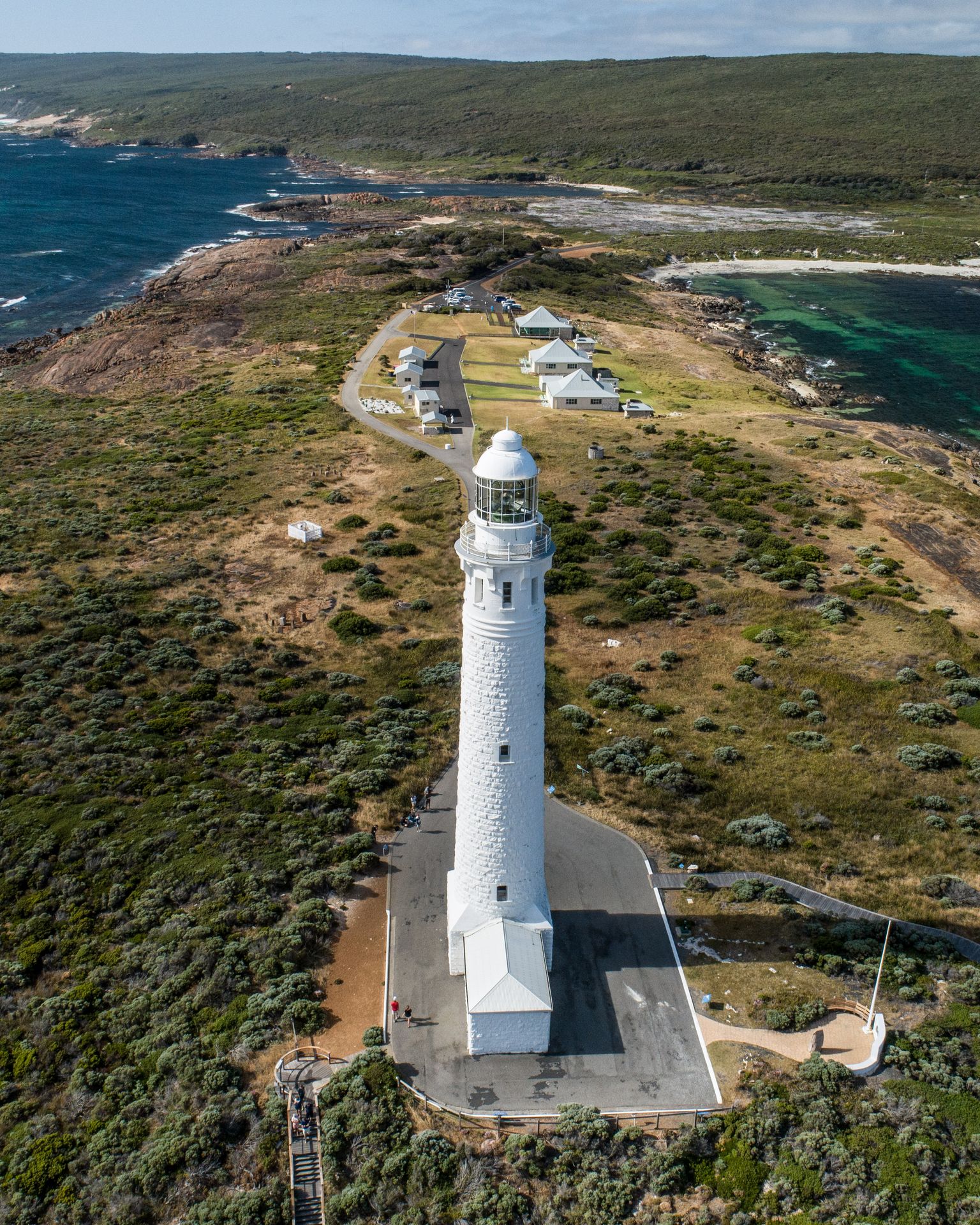
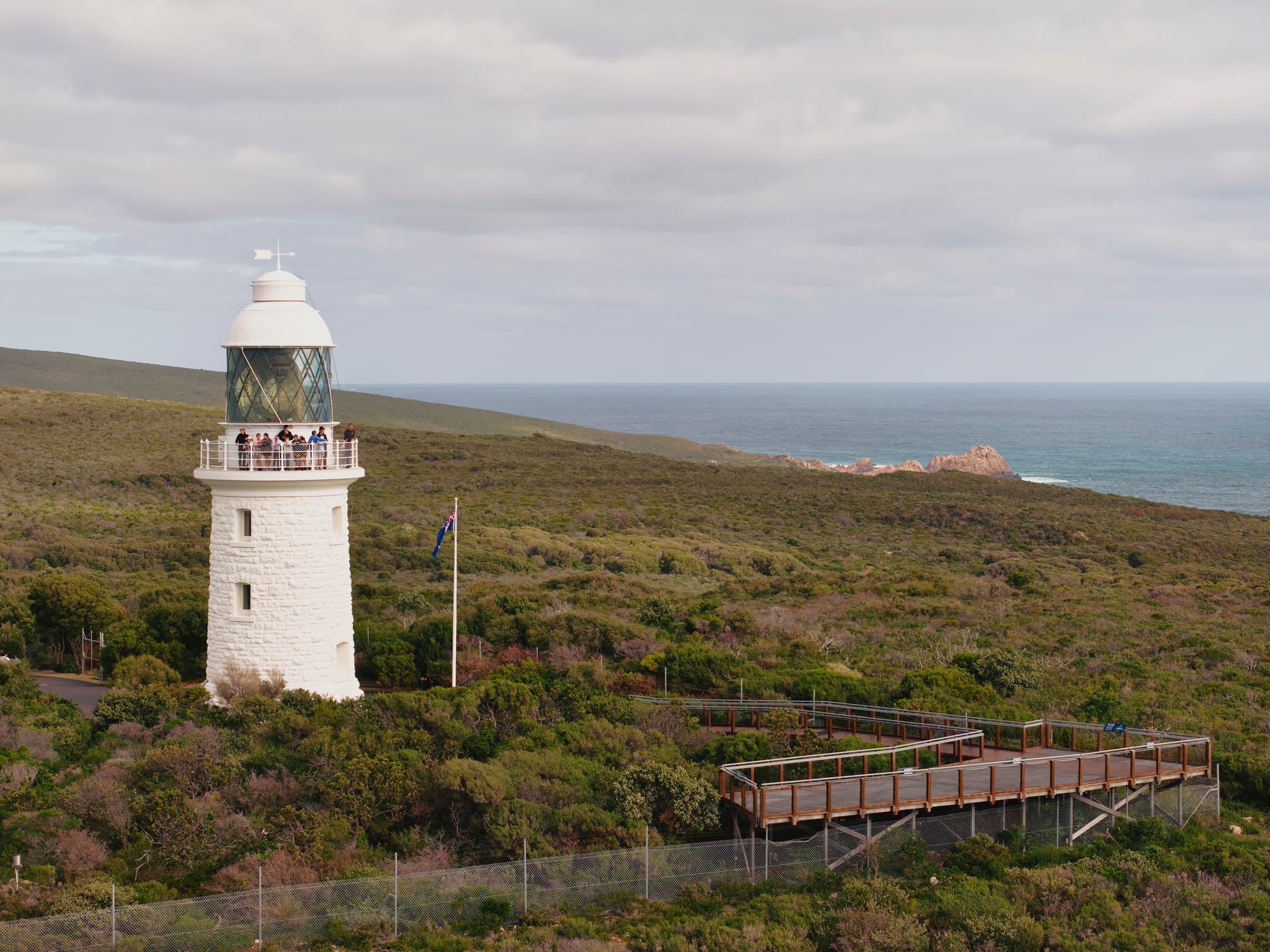
Cape Leeuwin Lighthouse Photo: Scott Slawinski
Cape Leeuwin Lighthouse. Image: supplied.

Lighthouse Construction

Until gold was discovered in Kalgoorlie, Western Australia simply didn’t have the funds to construct lighthouses, and the eastern states weren’t interested in helping foot the bill. Cape Leeuwin Lighthouse was first mooted in 1881 to protect shipping between Fremantle and Albany, and in 1896, Premier Sir John Forrest turned on the lamp at the new lighthouse, mainland Australia’s tallest. Eight years later in 1903, Cape Naturaliste Lighthouse was commissioned. 

They were built from locally quarried limestone, but the design was distinctly British. The Chance Brothers, based in landlocked Birmingham, England, engineered mechanical and optical components for approximately 2,000 lighthouses worldwide. The ship carrying the original 12-tonne Fresnel lens for Cape Leeuwin disappeared after leaving England and the mystery of its fate remains today. It never reached its destination, but the replacement is still working perfectly, 125 years later. 

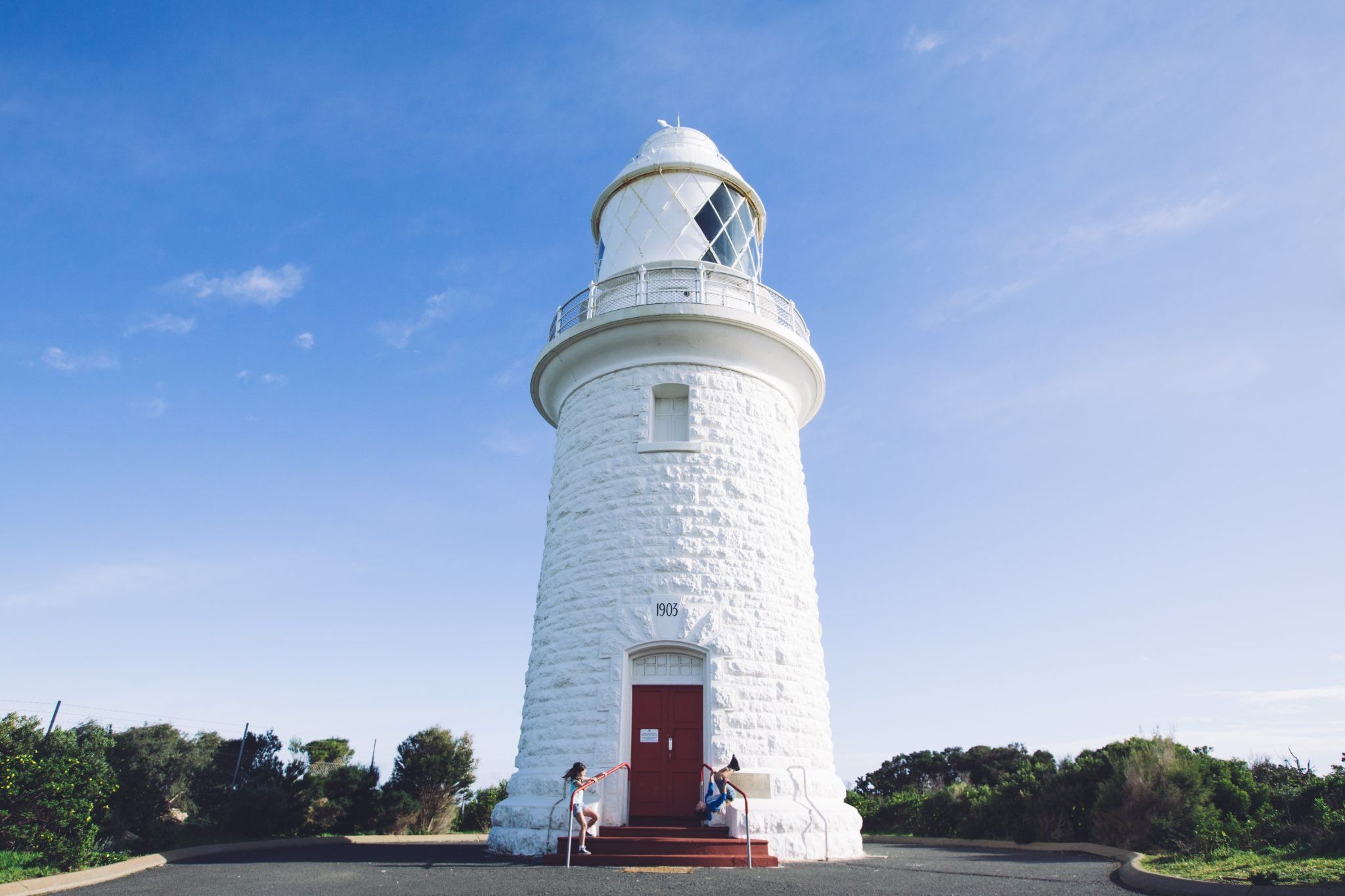
Cape Naturaliste Lighthouse Credit Elements Margaret River
Cape Naturaliste Lighthouse. Photo: supplied.

Lighthouse Keepers: The Early Days

Visit either lighthouse and you’ll note three small, stone cottages. Three lightkeepers and their families called the cottages home, and they grew their own vegetables and home-schooled their children, as the respective towns of Dunsborough and Augusta were a half-day journey by horse and buggy, and food was only delivered once a month. 

The keepers’ lives revolved around night watches, winding the clockwork and pumping kerosene into the burner. It was hard and isolating work, but essential for protecting passing ships and boats. The lighthouse keepers were no strangers to tragedy. Cape Naturaliste’s first keeper, Carl Hansen lost his wife while she gave birth to twins in 1904, and then his son died five years later of rheumatic fever in Cottage One. Families got along because they had to – there was no other choice.

Gradually, life became more comfortable and less dangerous. Electricity was connected and sealed roads made it easier to visit town. 

Eventually, the romantic era of manned lighthouses ended, and both Cape Leeuwin and Cape Naturaliste became fully automated. Operated, like other lighthouses, by the Australian Maritime Safety Authority, these towers remain vital beacons guiding ships and warning of the dangers along this rugged coastline. 
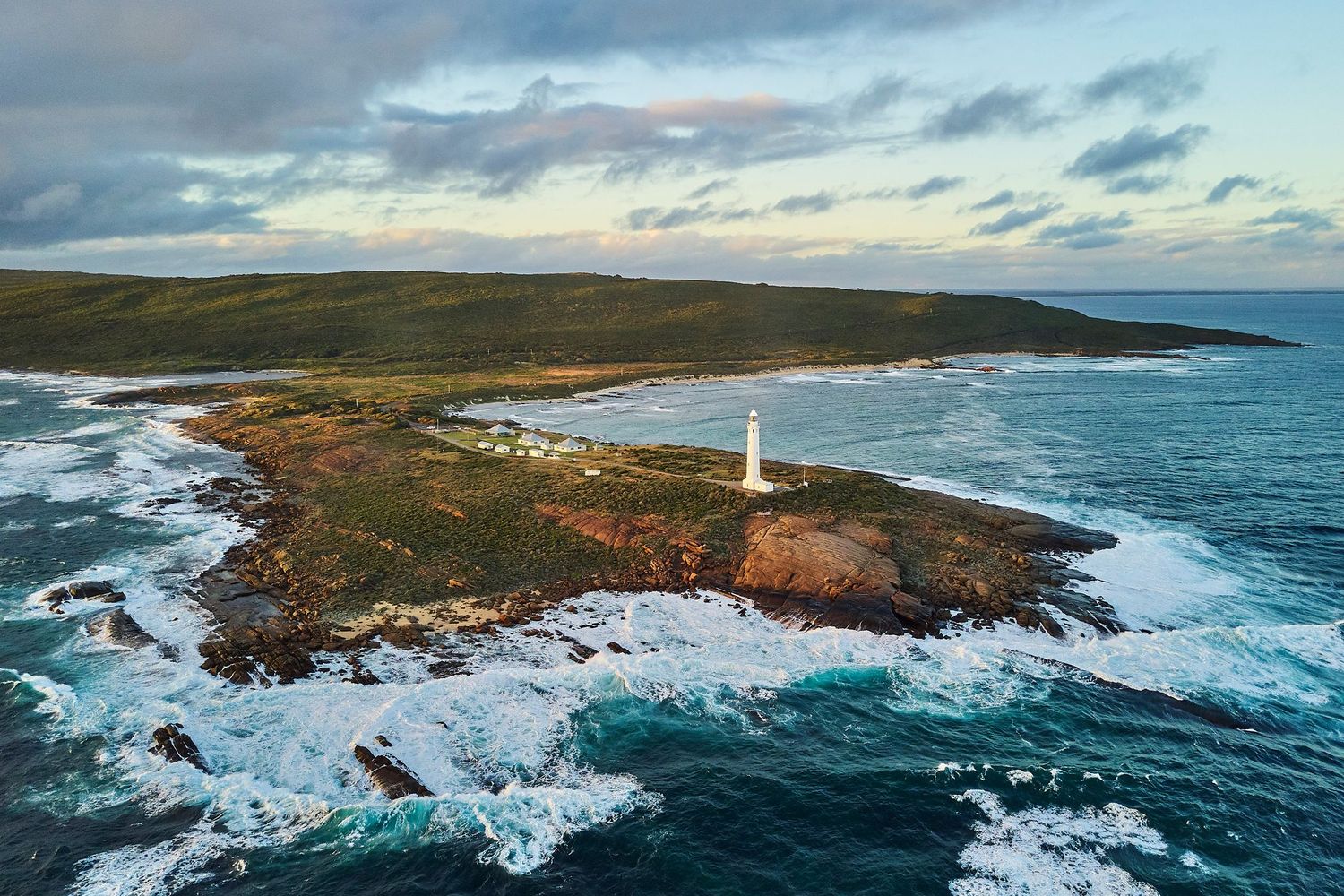
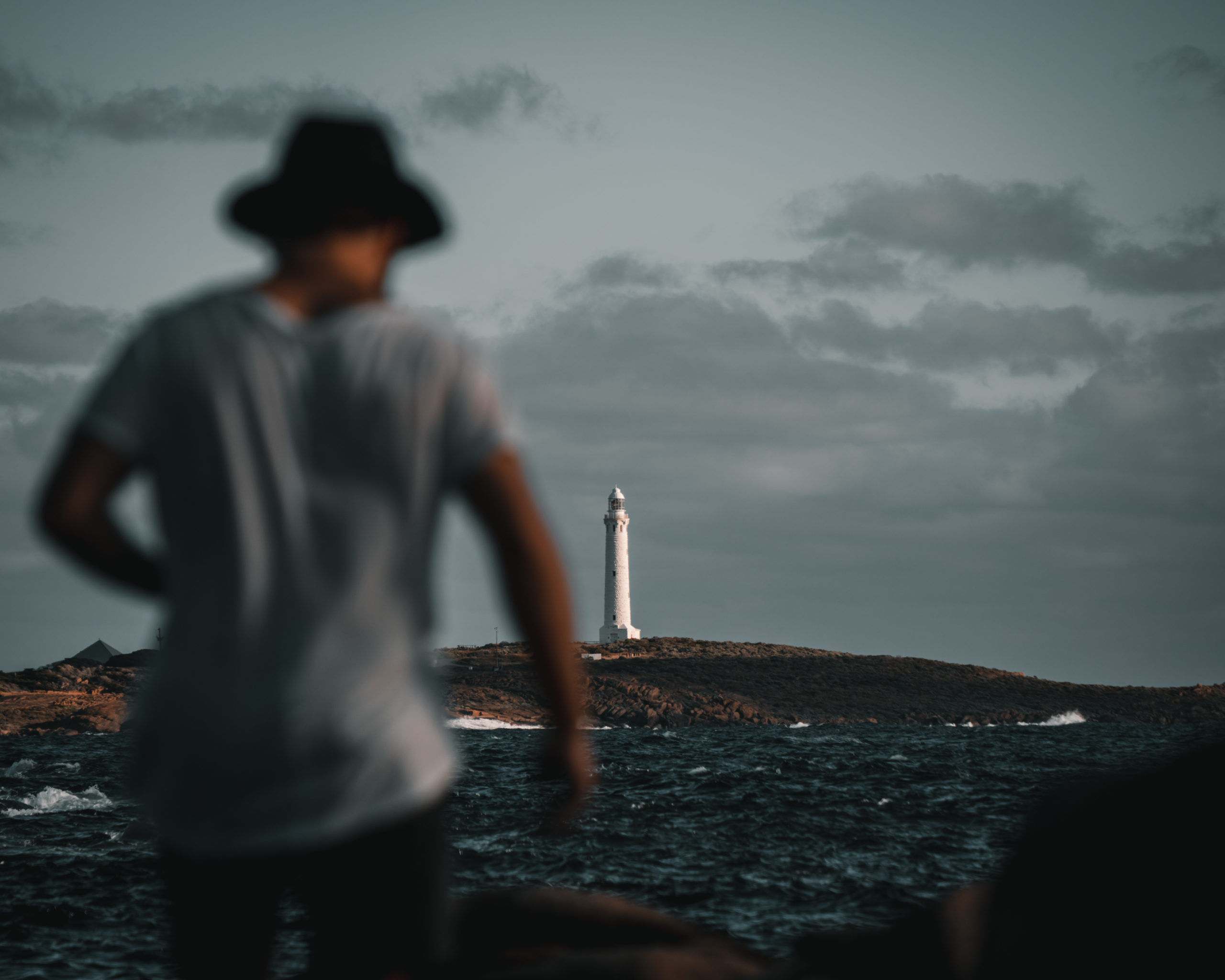
Cape Leeuwin Lighthouse Credit Ross Wyness

Experience the lives of the keepers' and their families

It’s easy for us to forget what a harrowing experience it must have been, rounding Cape Leeuwin in a timber ship 200 years ago. The Lightkeepers’ Interpretive Centre at Cape Leeuwin Lighthouse provides a window into the daily duties of Leeuwin’s keepers, and what it was like to raise children on the edge of the continent.

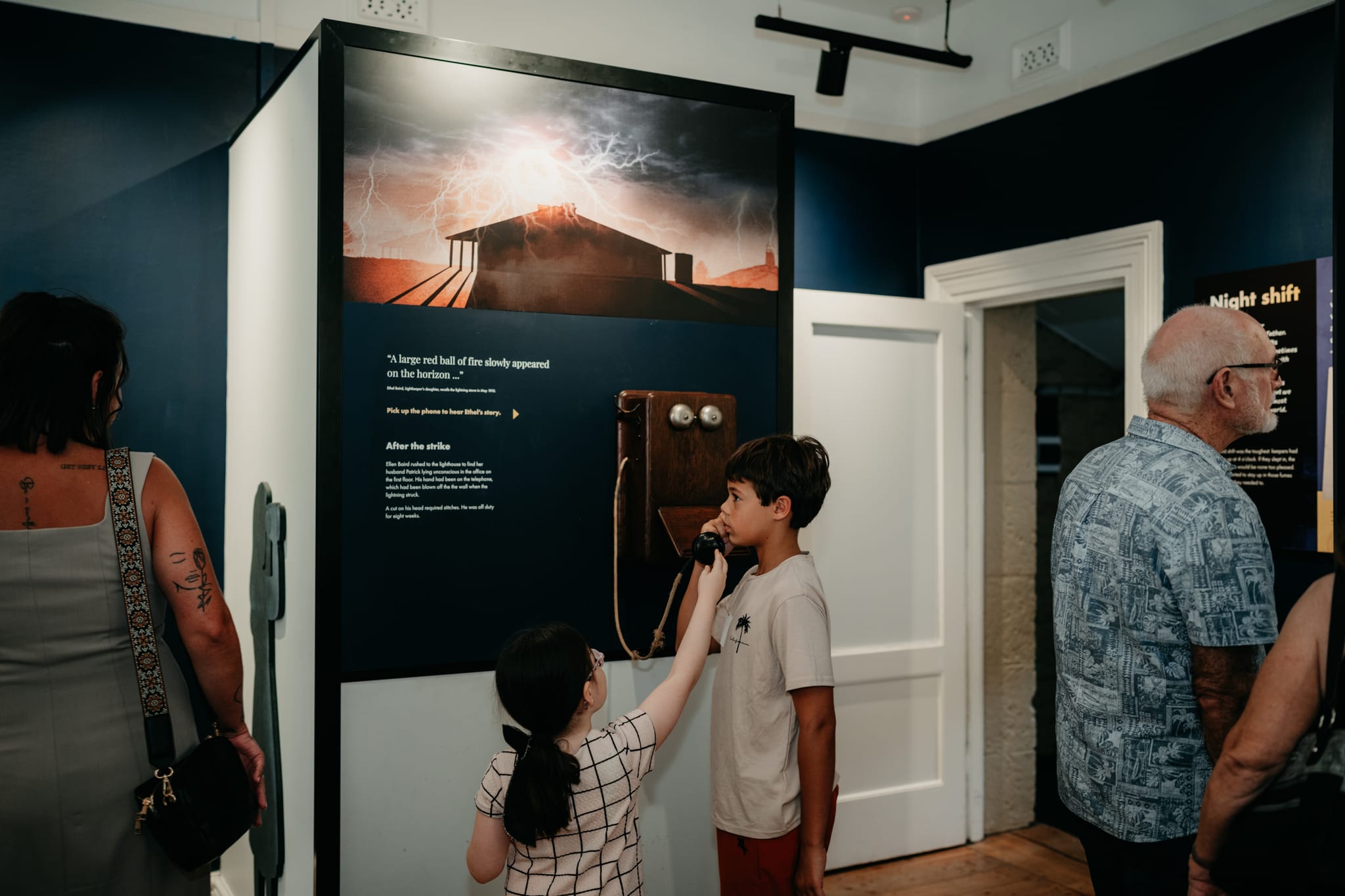
You can browse old photos and possessions, practice Morse Code in an interactive game, and hear amazing stories from the keepers, their wives and children. 

The Lightkeeper's Museum features interactive audio displays. Photo: Ovis Creative.

Detailed exhibits and displays bring to life the extraordinary experiences of the lightkeepers and their families who tended the Cape Naturaliste Lighthouse at the Lightkeepers’ Museum.

Gain an understanding of the remarkable engineering, view historical artefacts and hear stories from families who once called the lighthouse home.

Both lighthouses shine a light on the broader historical context of the region, exploring their role in local history, the French exploration and mapping of the coast in the early 1800s, and the 60,000-year custodianship of the Wadandi people.

Cape Naturaliste and Cape Leeuwin Lighthouses are open to the public every day except Christmas Day, and guided tours include plenty of historic storytelling and a climb to the top of the lighthouse, where you’re treated to spectacular ocean views. 

Cape Natrualiste Lighthouse. Photo: Tim Campbell.

Advice from a Local

Speak to a local expert Advice from a Local Our team of local experts

Our team of local experts are here to help plan and book your stay in the Margaret River Region.