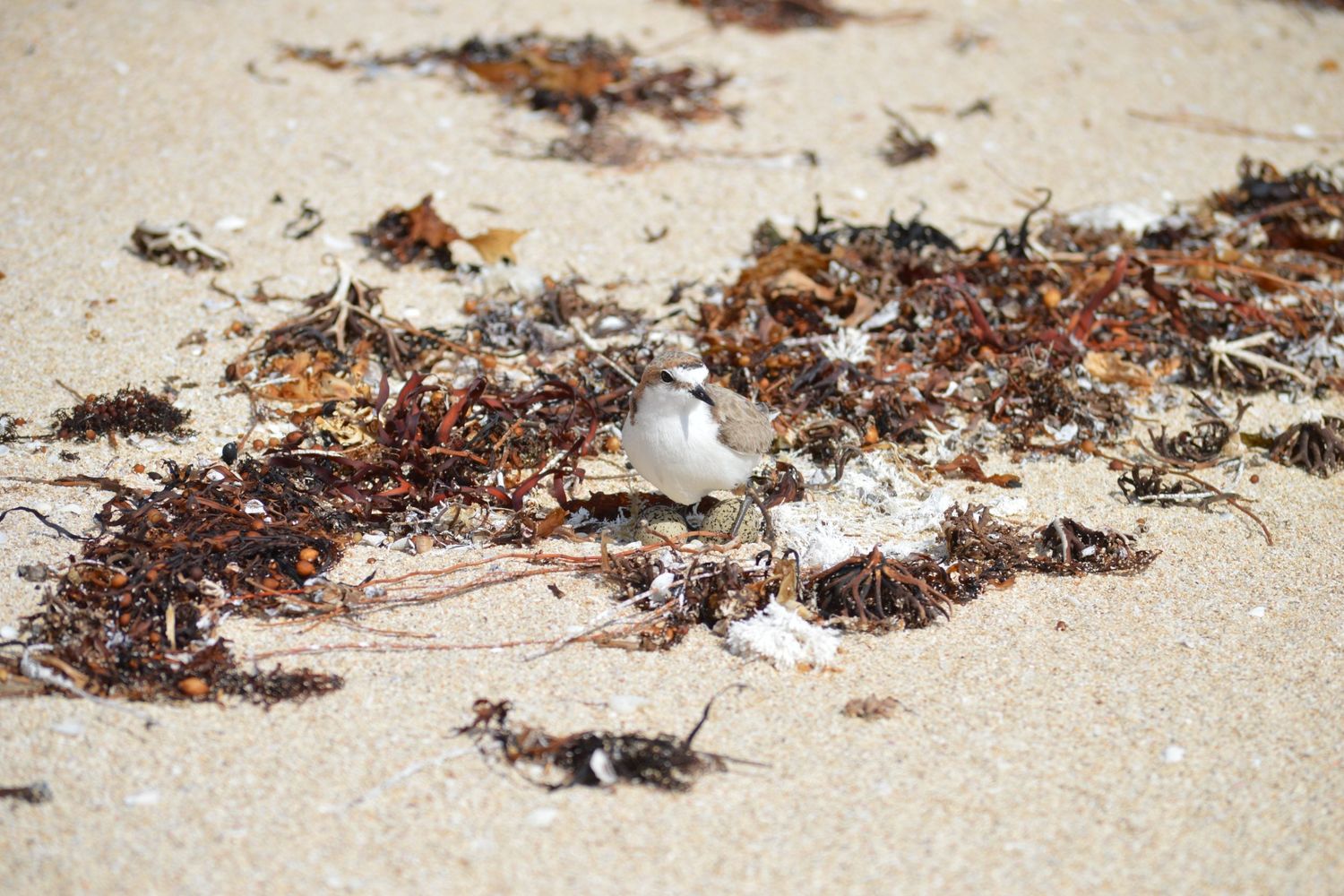
Red Capped Plover

The Margaret River Region is famous for its stunning coastline, but it also hides a special secret: these beaches are home to four amazing species of beach-nesting shorebirds.

Meet our South West beach residents: the Australian Pied Oystercatcher, Sooty Oystercatcher, Red-capped Plover and Western Hooded Plover.

These unique birds have evolved the ultimate minimalist approach to nesting—simple scrapes in the sand with eggs so perfectly camouflaged they’re nearly invisible. Unfortunately, being tiny and almost invisible, combined with breeding during the region’s busiest beach season, creates a perfect storm.

This story has been shared with us by Tegan Knowles, WA Beach-nesting birds Project Officer for BirdLife Australia. Hero image by Natalie Bell.
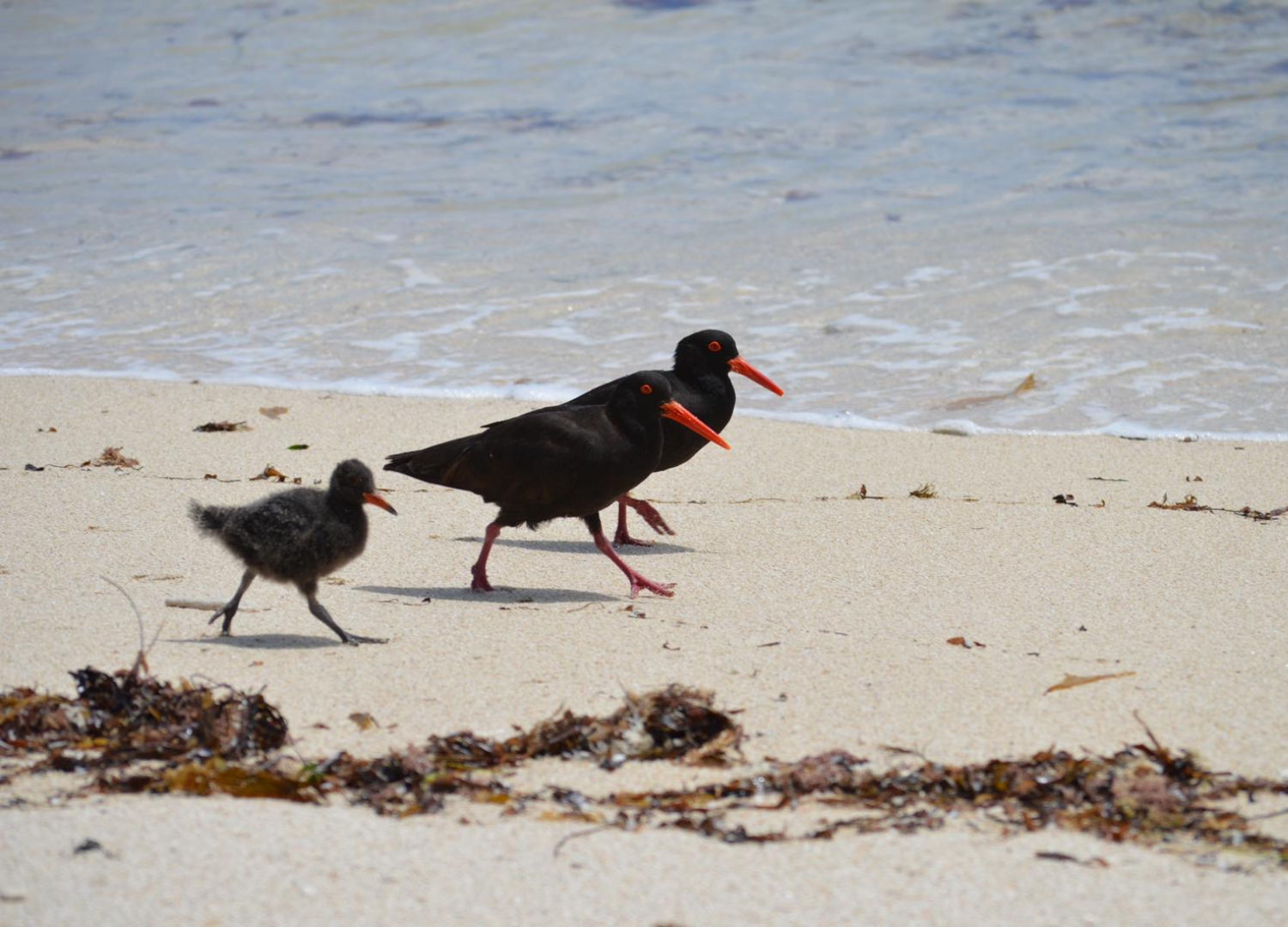
Sooty Oystercatcher family at Gnarabup Beach
Sooty Oystercatcher family at Gnarabup Beach. Photo: Natalie Bell

That said, their breeding cycle is both remarkable and risky. The lucky few that make it through 28 days of intensive incubation hatch as irresistibly cute but incredibly fragile chicks. These fluffy survivors must then face five perilous weeks on the beach before growing strong enough to fly.

Among the many natural threats these beach-nesters face, one of the biggest challenges is people accidentally disturbing them while enjoying the beach – and that’s something we can help change.

When people, unleashed dogs, or vehicles get too close – or accidentally run over nests hidden by the birds’ great camouflage – the parents will temporarily abandon their nests and chicks, counting on camouflage to keep everyone safe until the coast is clear. While this is a clever survival strategy, it creates dangerous windows where eggs and chicks are exposed to harsh temperatures and hungry predators, including ravens and gulls.

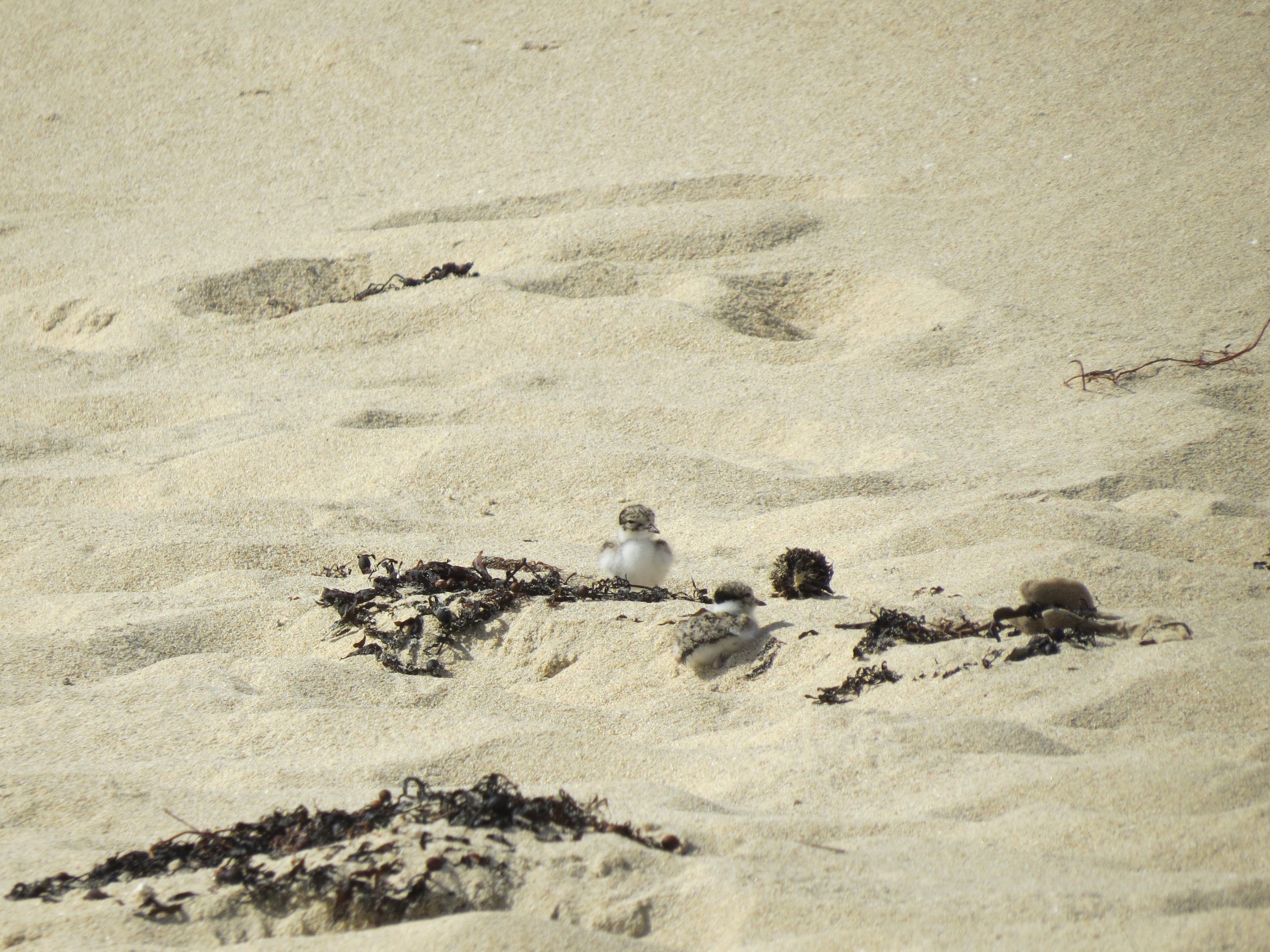
First Hooded Plover chicks of the breeding season. Photo: Tegan Knowles

While soaking up the magic of this incredible coastline, here are some simple ways you can help our feathered beach residents raise their families – right alongside your holiday fun!

  1. Follow local regulations for both dogs and vehicles. If these birds happen to be nesting at a dog exercise beach, when you’re walking past a signed or fenced area, please pop your dog on a leash.
  2. Stay well away from signed/fenced areas so that the birds can incubate, and the chicks can feed. If you’re too close, this disturbance can be fatal to eggs/chicks.
  3. Stick to designated paths – if you’re going for a walk, please walk at the water’s edge rather than the upper beach and dune areas.
  4. Pick up your rubbish! Litter attracts predators, including ravens and silver gulls that can prey on eggs and chicks.
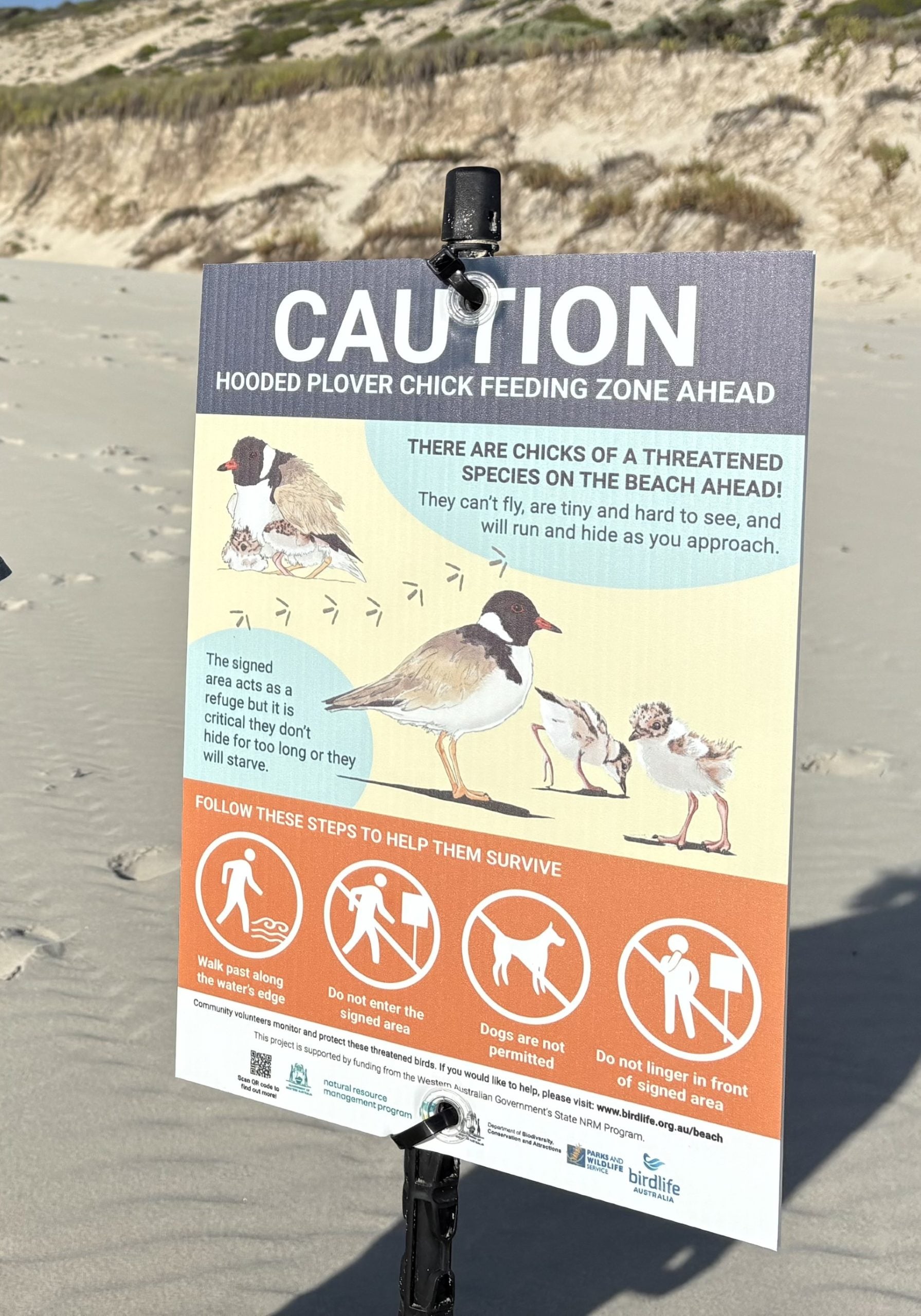
Look out for these signs while visiting South West beaches. Photo: supplied

Enjoy the magic of our coastline, and thank you for being part of our conservation community.

The WA Beach-nesting Birds project is supported by funding from the Western Australian Government’s State NRM Program.

Advice from a Local

Speak to a local expert Advice from a Local Our team of local experts

Our team of local experts are here to help plan and book your stay in the Margaret River Region.