04.09.2026

Emerging replenished from the cold rains of winter, vivid wildflowers and busy wildlife envelop the Margaret River Region.

Spring is the perfect time to take a tranquil walk immersed in coastal bushland, amongst giant forests, or along a cliff’s edge. 

The Capes Foundation manages eight extraordinary experiences throughout the Margaret River Region, all of which are bursting with life and abundance in spring. They offer fully guided and self-guided tours around iconic natural and heritage attractions, but if you really want to get your steps in, these are just a few of the walking trails you can wander on your visit. 

The iconic Sugarloaf Rock is seen in the distance. Photo: Tim Campbell
1

Cape Naturaliste Lighthouse

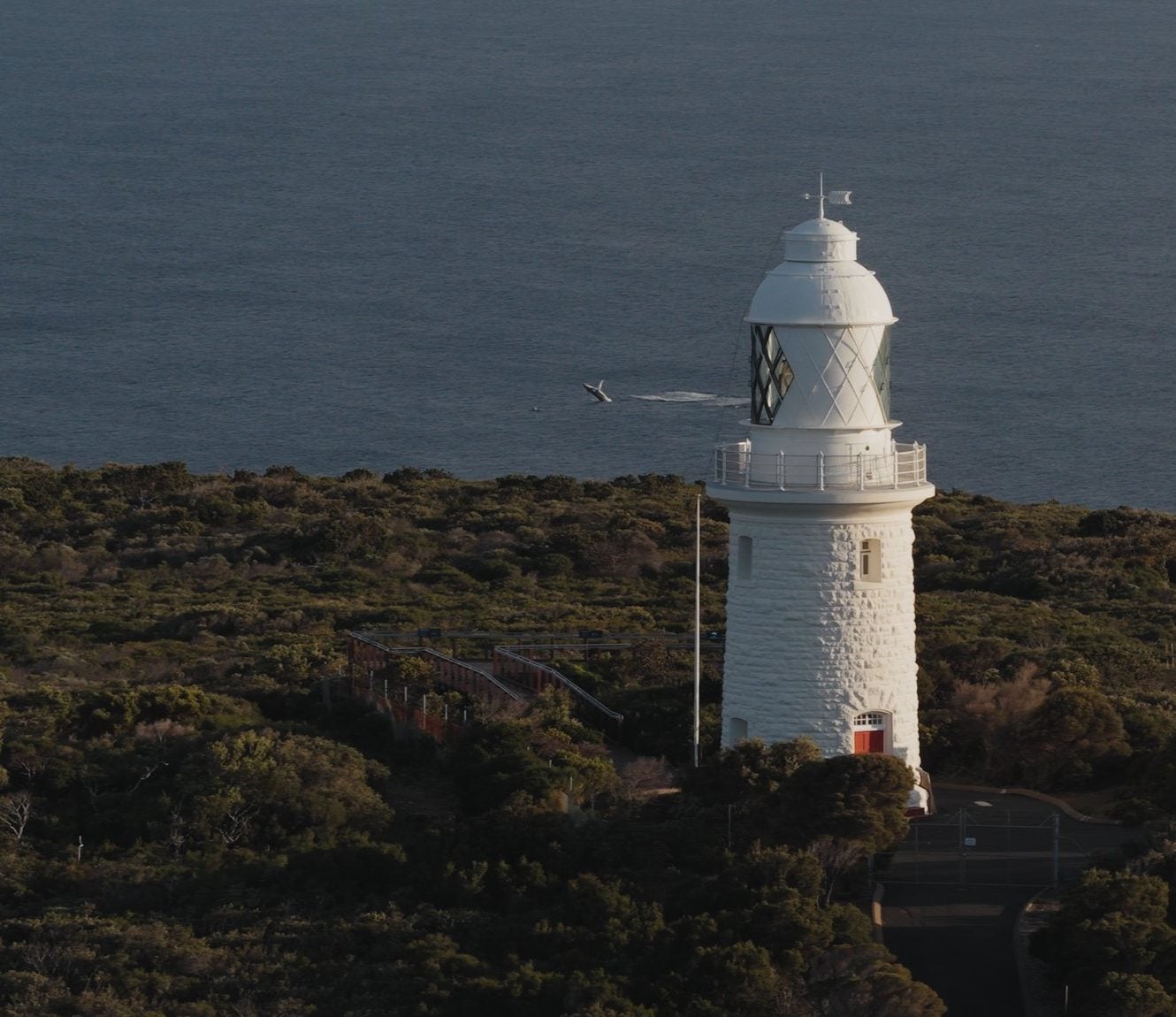
Cape Naturaliste Lighthouse is surrounded by a network of fantastic walk trails beginning from its car park. You’ll be swept away by the intriguing aromas of the native blossoms and breathtaking views of the Indian Ocean and Geographe Bay, and of course, the view from the lighthouse tower is second to none!

Spring is a wonderful time to venture along the Whale Trail, as you may be lucky enough to spot one of the 35,000 whales that migrate along the coast every year. The 2.4km track arrives at a spectacular lookout over the cliffs of the cape.

The Shelley Cove Loop is a breezy 3.1km and offers superb views over the cliff tops and out to sea. You may spot (and hear!) the resident colony of long-nosed fur seal as they bask on the rock formations below.

Cape Naturaliste to Sugarloaf Rock is a 3.4km walk completely wheelchair-accessible section of the iconic Cape to Cape Track, its venturers will be rewarded with breathtaking views of Sugarloaf Rock and the glistening turquoise waters.

Cape Naturaliste Lighthouse with ocean in the background and whale breaching
Cape Naturaliste Lighthouse is surrounded by a network of fantastic walk trails. Photo: Tim Campbell
2

Ngilgi Cave Ancient Lands Experience

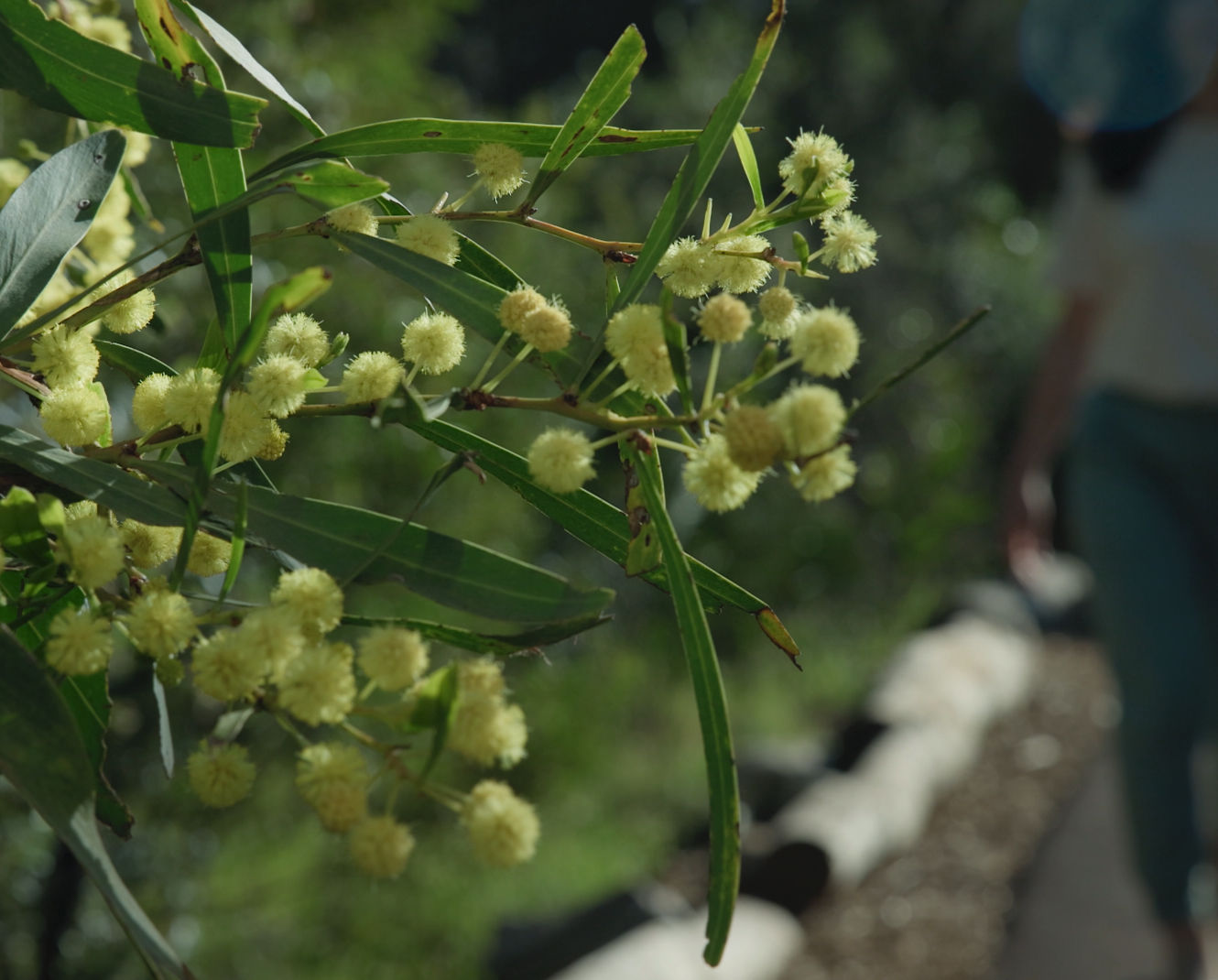
Ngilgi Cave Ancient Lands Experience takes you on a scenic walk through native bushland in Yallingup. Connecting a series of interactive installations and bringing you to the entrance of the stunningly decorated Ngilgi Cave, where you can descend to explore at your own pace. The beautifully shady walkway is perfect for spotting birds and wildflowers, and the educational installations along the way give amazing insights into the flora, fauna and formation of the Leeuwin-Naturaliste Limestone Ridge and the caves within. 

If you’re eager to expand your exploration, the Wardanup Trail crosses paths with Ngilgi Cave, and you can access it from the car park. This 6.3km loop ventures along various terrains, such as peppermint tree valleys, beautifully manicured gardens at Caves House Hotel, and Yallingup Beach.

Yellow flowers with a blurred person walking toward them from the background
Spot delicate wildlife and wildflowers around Ngilgi Cave, Yallingup. Photo: Tim Campbell
3

Mammoth Cave

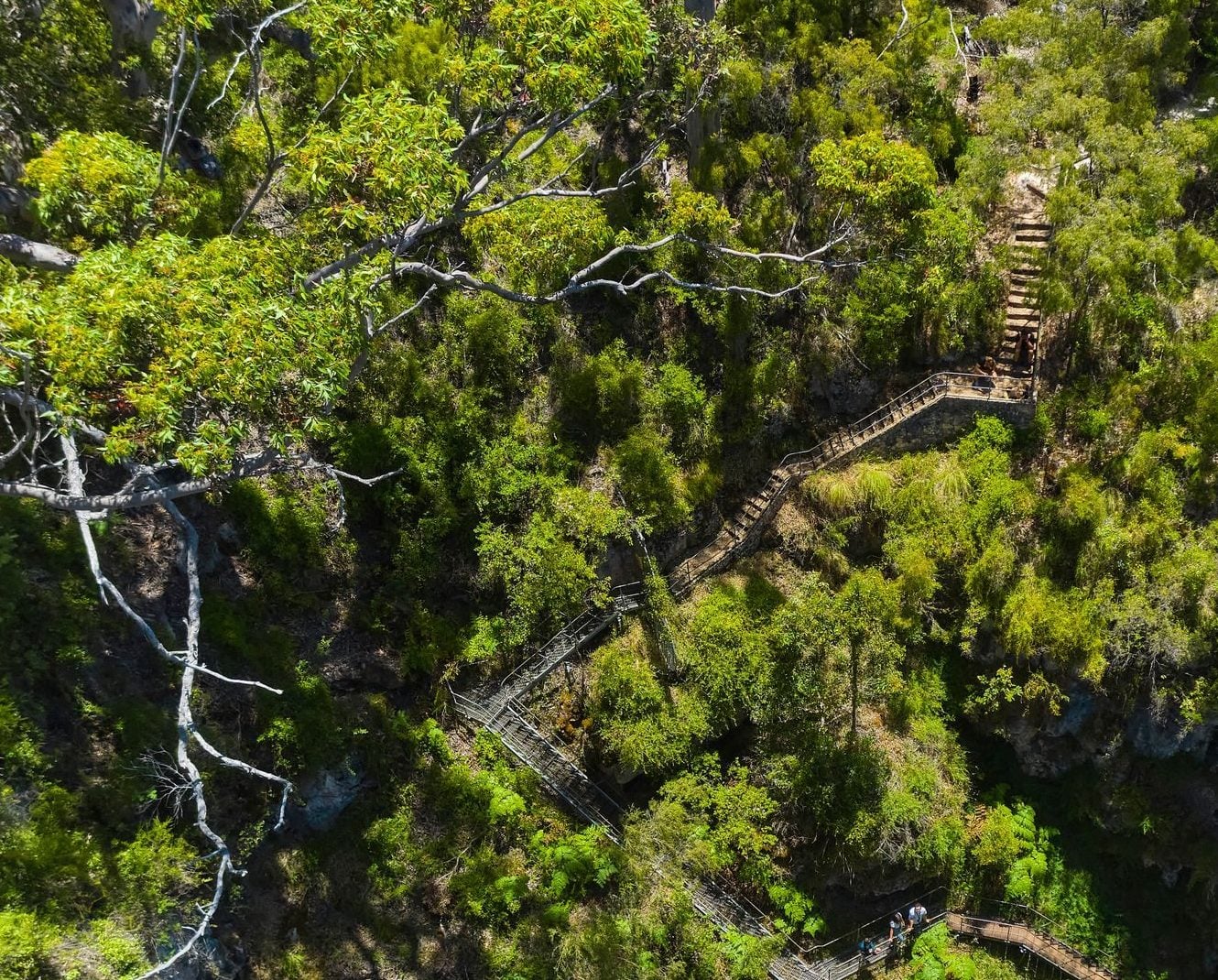
Mammoth Cave is a self-guided experience that follows an elevated boardwalk through the stunning expanse of Mammoth Cave, where you can spot ancient fossils from long–extinct megafauna and see the tranquil stream that seasonally appears in the cave. The walkway emerges on the other side of Caves Road in the majestic Boranup Karri Forest. You then take a short 700m forest walk amidst towering trees, lush green foliage, and the vibrant wildflowers and orchids that are sure to brighten your day.

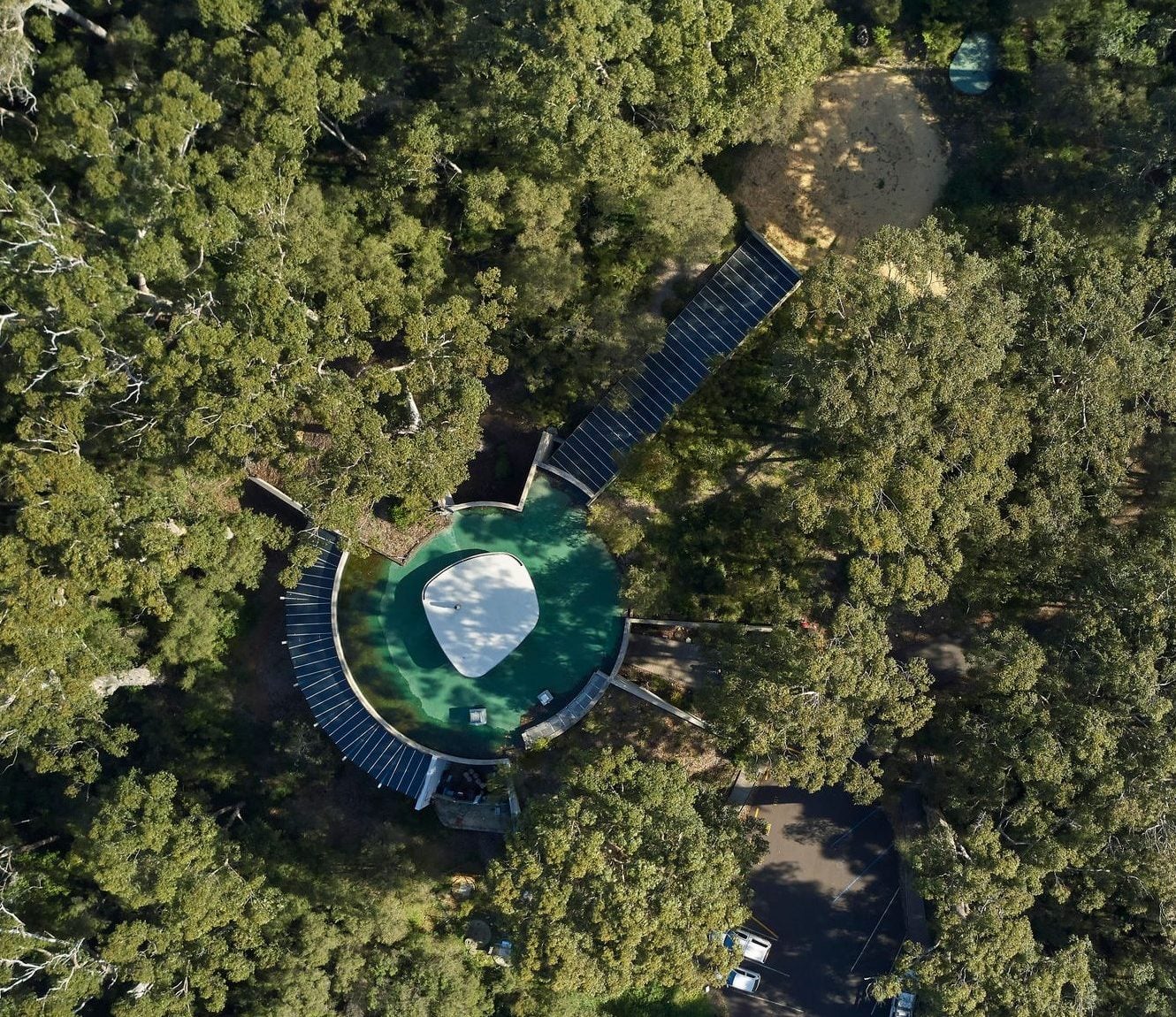
Aerial photo of the surrounding area of Mammoth Cave
The Mammoth Cave walkway emerges on the other side of Caves Road in the majestic marri forest. Photo: Tim Campbell
4

Lake Cave

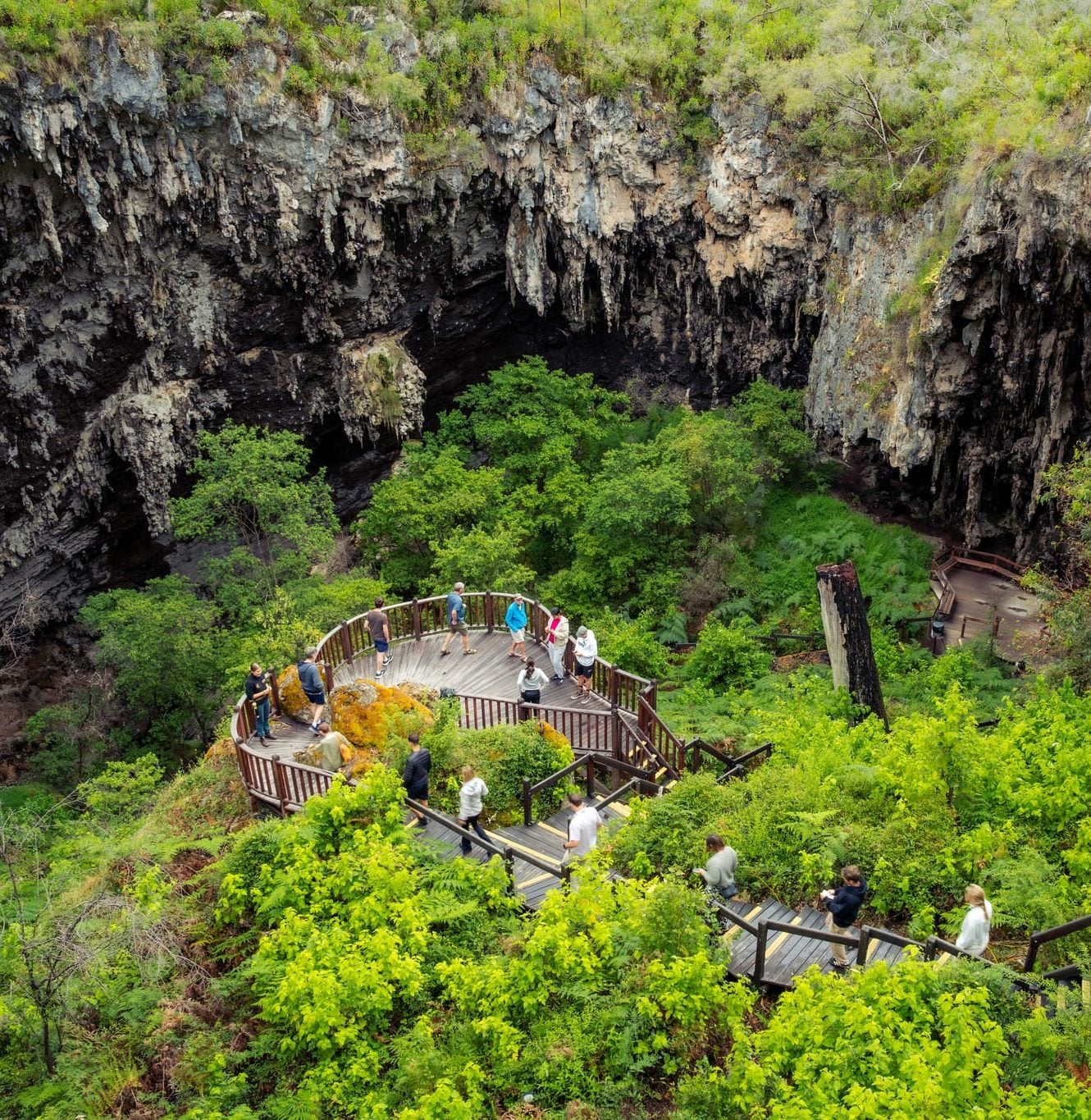
If you visit the majestic Lake Cave for a guided tour, you’ll be taken on a fascinating walk through a sunken forrest into a doline (sinkhole), a remarkable sight and entrance to the cave where the guided tour continues. While you’re at Lake Cave you can stroll 1km to Contos Campground, where you’ll see hundreds of established grass trees (Xanthorrhoea) that are enormously mesmerising. Keep a watchful eye on the ground, and you may be lucky enough to spot some rare orchids and bursts of colourful wildflowers popping up in all their natural glory. 

People walking down stairs into ancient sinkhole at Lake Cave with many green trees growing from the sinkhole.
Walk into a doline (sinkhole) at Lake Cave. Photo: @coastingoutback
5

Jewel Cave

The 1.1km walk trail at Jewel Cave winds its way through the breathtaking karri and marri forest. In the springtime, the understory comes alive in an explosion of vividly coloured flowers, making this trail an ideal way to connect with nature. The soothing sounds of birds singing, and the sight of towering trees will leave you feeling refreshed and rejuvenated. Jewel Cave is the largest show cave in Western Australia, with its crystal adornments being truly out of this world. To experience the magnitude and beauty of Jewel Cave, be sure to join one of the fully guided tours. 

Aerial photo of the surrounding bush at Jewel Cave
The understory comes alive in an explosion of vividly coloured flowers at Jewel Cave. Photo: Tim Campbell
6

Capes Raptor Centre

Capes Raptor Centre is Western Australia’s largest bird of prey sanctuary, situated in peaceful bushland just 5 minutes from Margaret River township. The rescue and rehabilitation centre features a 1km walk trail. Along the way, you will meet some of the magnificent birds of prey housed in large aviaries nestled amongst the forest. You can also spot some of the 2,500 species of wildflowers and orchids that can be found across the region. Visit at 11am or 2pm for the chance to get up close to incredible owls and hawks during the twice-daily bird of prey flight display.

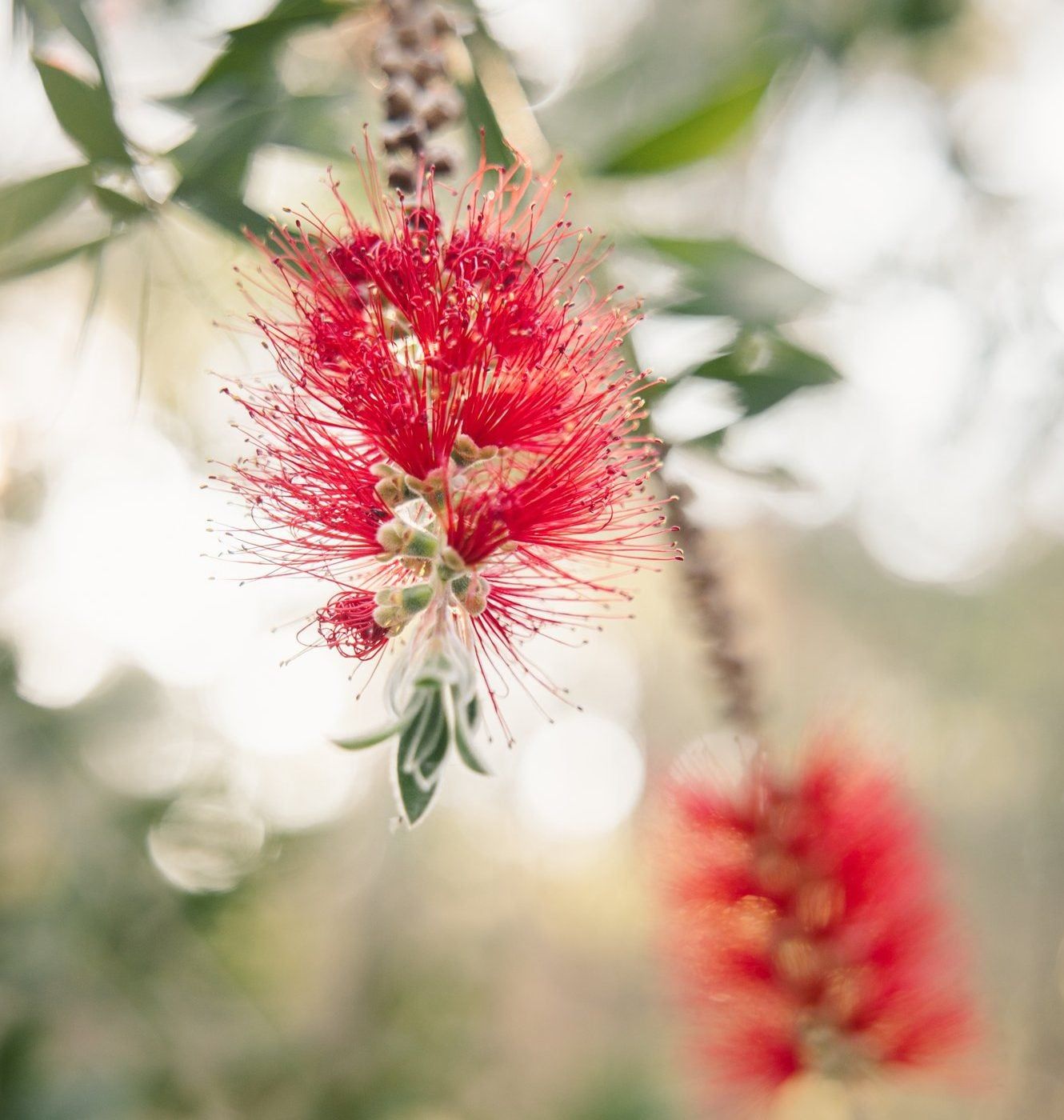
Red flowers hanging down
Spot some of the 2,500 species of wildflowers and orchids that can be found across the region. Photo: Holly Winkle
7

Cape Leeuwin Lighthouse

The Cape Leeuwin Lighthouse is perched upon a breathtakingly wild coastline and one of the world’s three great capes. As the tallest lighthouse on mainland Australia, it offers unparalleled views from the tower to see where the Southern and Indian Oceans meet.

You can now walk, wheel or ride the new three-kilometre Leeuwin Biddi Trail, finalised in December 2025. This is an additional section of the coastal trail linking Dead Finish to the lighthouse. Being an accessible, dual-use path, it’s for everyone from families with prams to keen walkers, cyclists and wheelchair users.

Cape Leeuwin Lighthouse’s car park serves as the southern starting point of the renowned Cape to Cape Track, a 130-kilometre trail leading to Cape Naturaliste Lighthouse. Just a short 500 metres from the car park lies the historic Water Wheel that once supplied water to the lighthouse cottages.

If you’re feeling adventurous, you can follow the Cape to Cape Track markers for an added one kilometre to Quarry Bay, where you can take in the fresh spring air, spot an albatross, admire the coastal wildflowers, and climb the giant granite boulders for spectacular views of the untamed coastline back to the lighthouse.

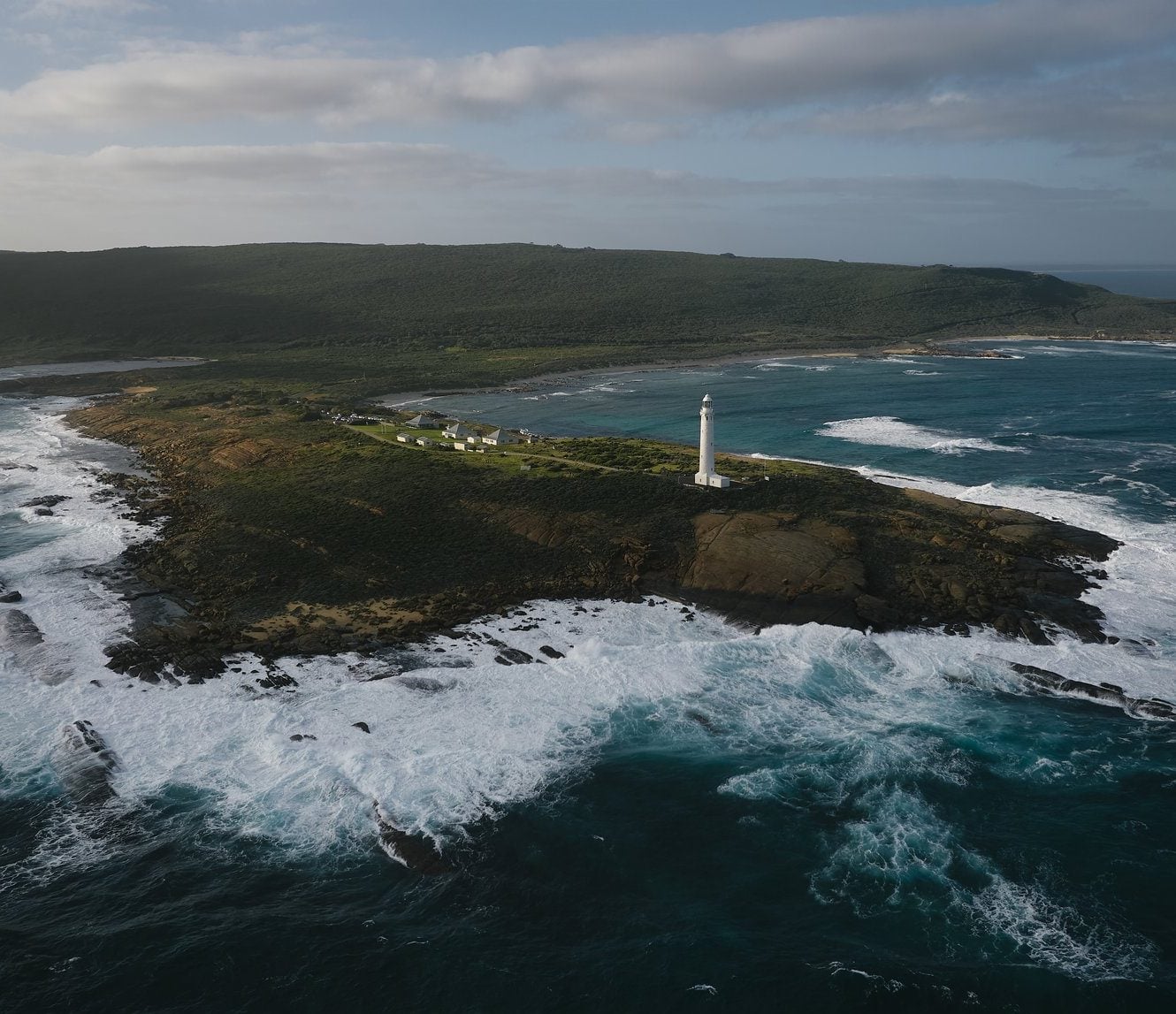
Aerial photo of Cape Leeuwin with the Cape Leeuwin Lighthouse in frame. Waves crashing on the rocks and deep blue ocean water
The journey to Cape Leeuwin Lighthouse along the new Leeuwin Biddi Trail showcases Augusta's wild coastline. Photo: Tim Campbell
8

Forest Adventures

Forest Adventures is set amongst the Tuart Forest National Park and a truly unique experience for the explorer who’s keen to trade their walking shoes in for a zipline harness!

This National Park is safeguarding the world’s largest remaining pure forest of Tuart trees, and we recommend taking the time to really appreciate how special this forest is. These magnificent trees are the tallest and largest on the Swan Coastal Plain, with some towering over 33 meters and measuring 10 meters in girth. Tuarts grow only on coastal limestone, 200km on either side of Perth, Western Australia, and nowhere else in the world.

Once you’ve gone for a stroll or completed the high ropes course, Forest Adventures has picnic tables where you can park up for lunch and The Tuart Discovery Trail nearby offers another peaceful 700m loop in the Tuart Forest National Park, where you can continue to marvel at these ancient giants. 

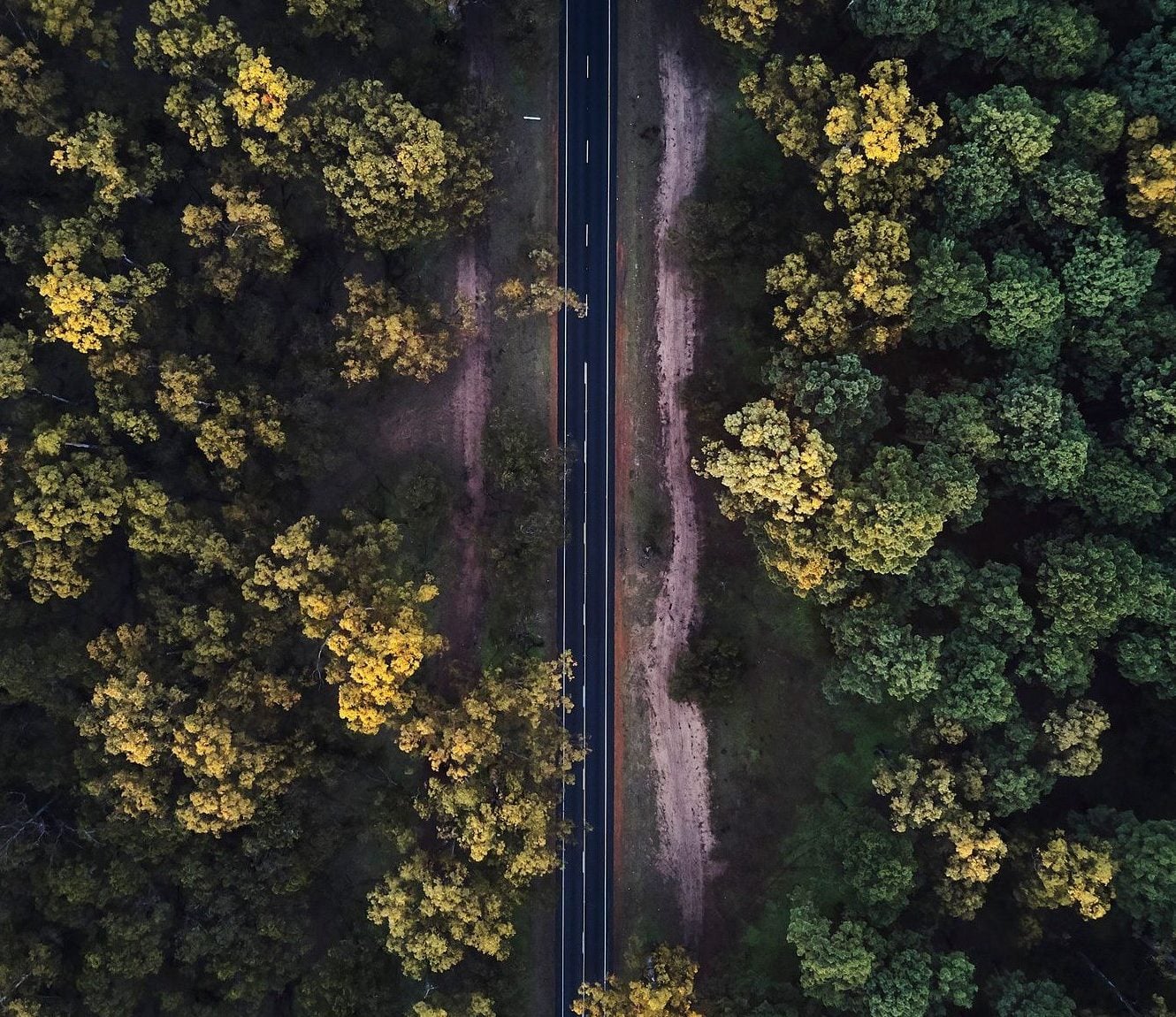
An aerial photo of the Tuart Ludlow Forest showing dense forest broken up by a road between.
This National Park around Forest Adventures is safeguarding the world's largest remaining pure forest of Tuart trees. Photo: Tim Campbell

Whilst living, travelling, visiting and holidaying on Wadandi Boodja, we ask that you respect the area and walk softly on the country, taking the time to listen to Boodja (Country) as she Wongi (talks) of the season, and leave nothing but footprints.

– Pibulmun Wadandi Yunungjarli Elder Wayne Webb. 

Wadandi Boodja

The South West is considered one of 36 biodiversity hotspots in the world, meaning that conservation and preservation of the region is of the utmost importance. This is a special place, that for over 60,000 years has supported one of the world’s longest, unbroken human occupations, resulting in an immensely deep cultural knowledge and connection to the land. It is the traditional land of the Wadandi (Saltwater) People. 

Advice from a Local

Speak to a local expert Advice from a Local Our team of local experts

Our team of local experts are here to help plan and book your stay in the Margaret River Region.