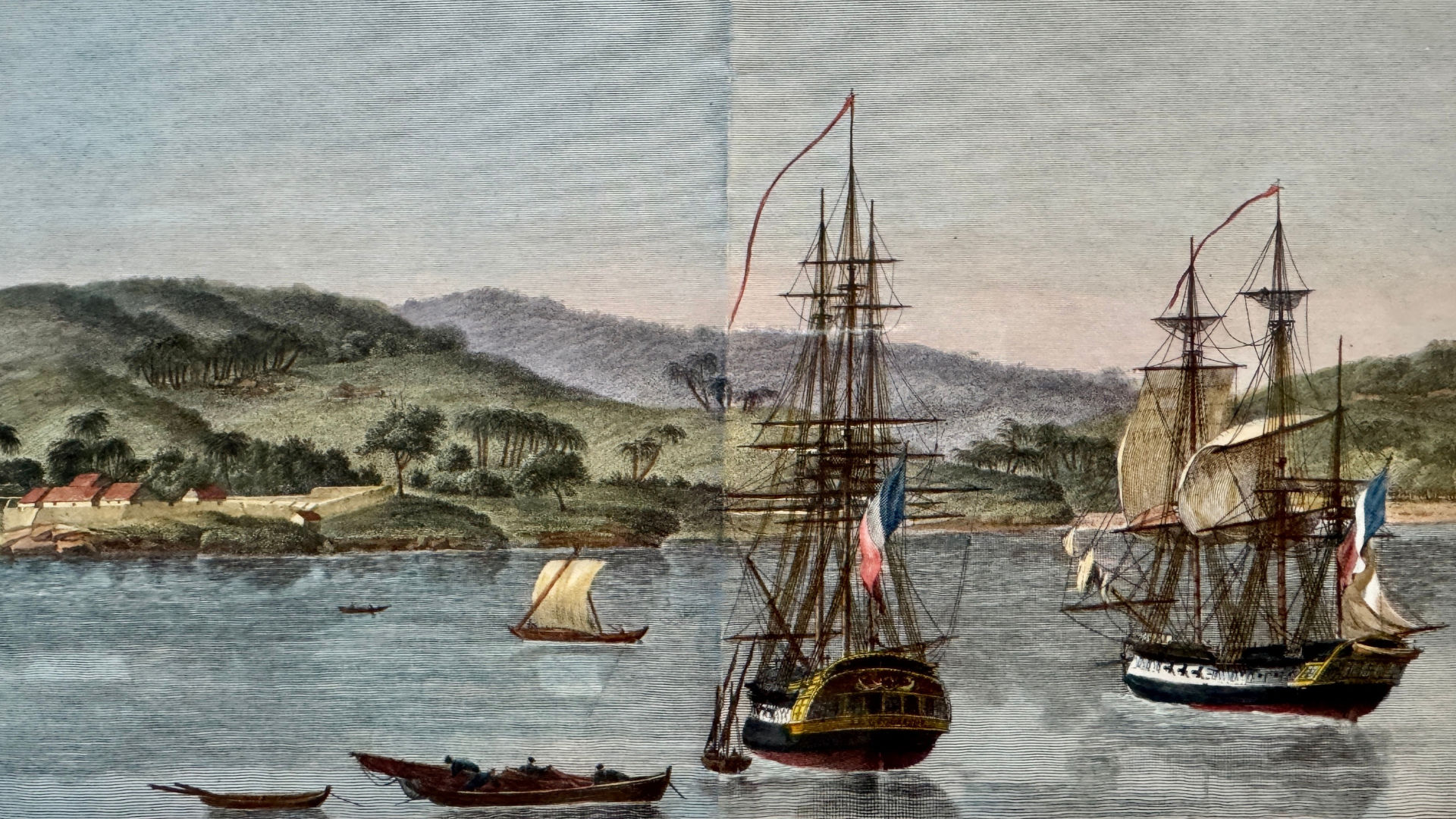
The scientific expedition collected 200,000 specimens of plants and animals, 2542 species of which were new to European science. It published the first detailed map of the entire Australian continent. But Baudin died before he could return to France. By the time the ships came back, France and Napoleon had turned their attention to more military ambitions. The vast Australian treasure that the Baudin expedition brought back was never fully studied or appreciated, although a kangaroo and two back swans ended up in Joséphine’s garden at Malmaison, along with hundreds of unique plants.
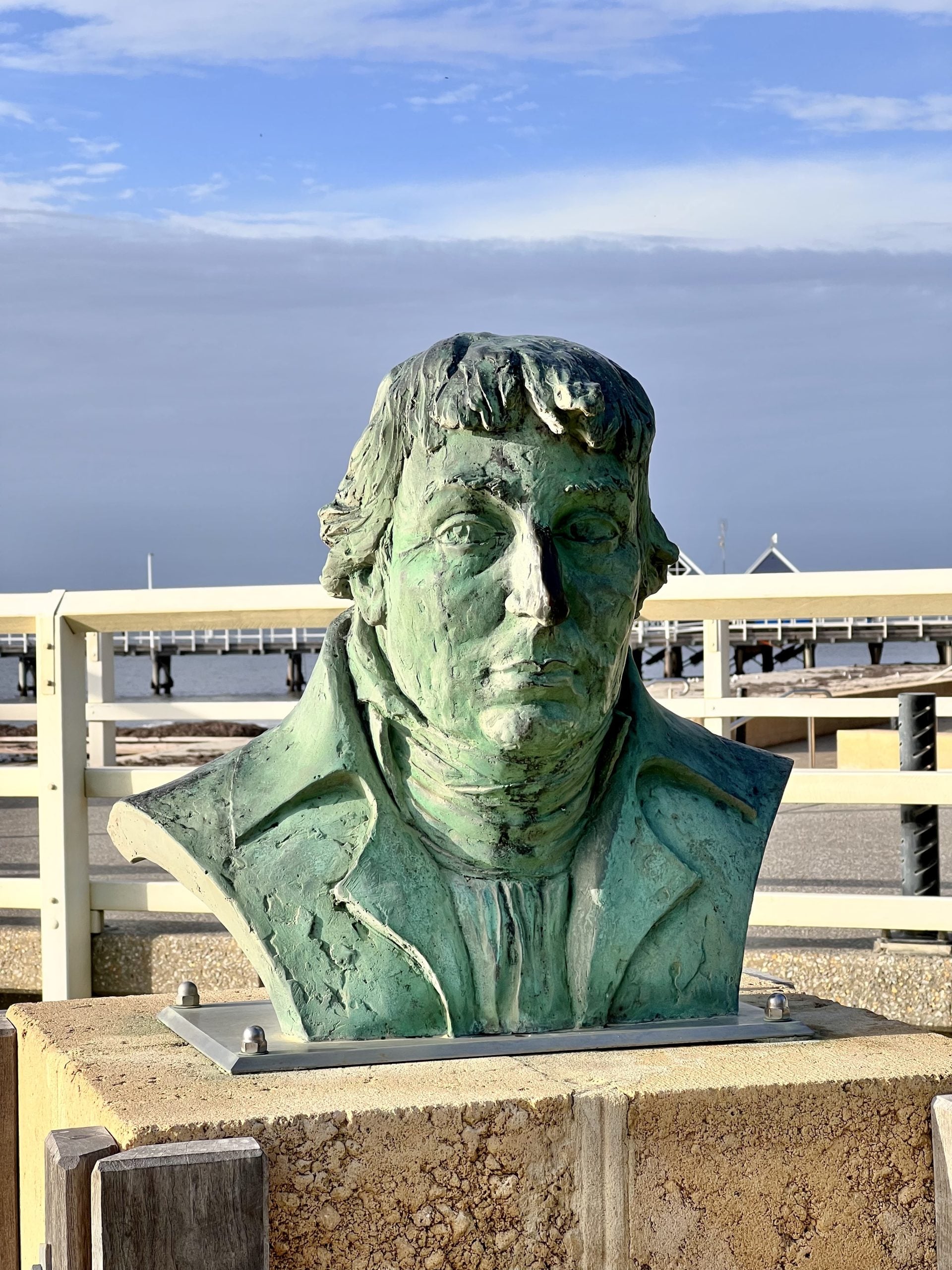
The privilege to write the official record of the expedition was granted to the expedition’s last remaining zoologist, François Péron. Péron was ‘thoughtless, scatterbrained, quarrelsome, indiscreet, uncompromising’. (They are Péron’s own words, not mine.) ‘I have the capacity to make enemies for myself and to alienate my best friends,’ he confessed. Péron and his late commander, Baudin, had been shipboard enemies. So, Péron wrote the expedition’s volume without once mentioning Baudin’s name. Following this lead, Baudin was largely washed from history.
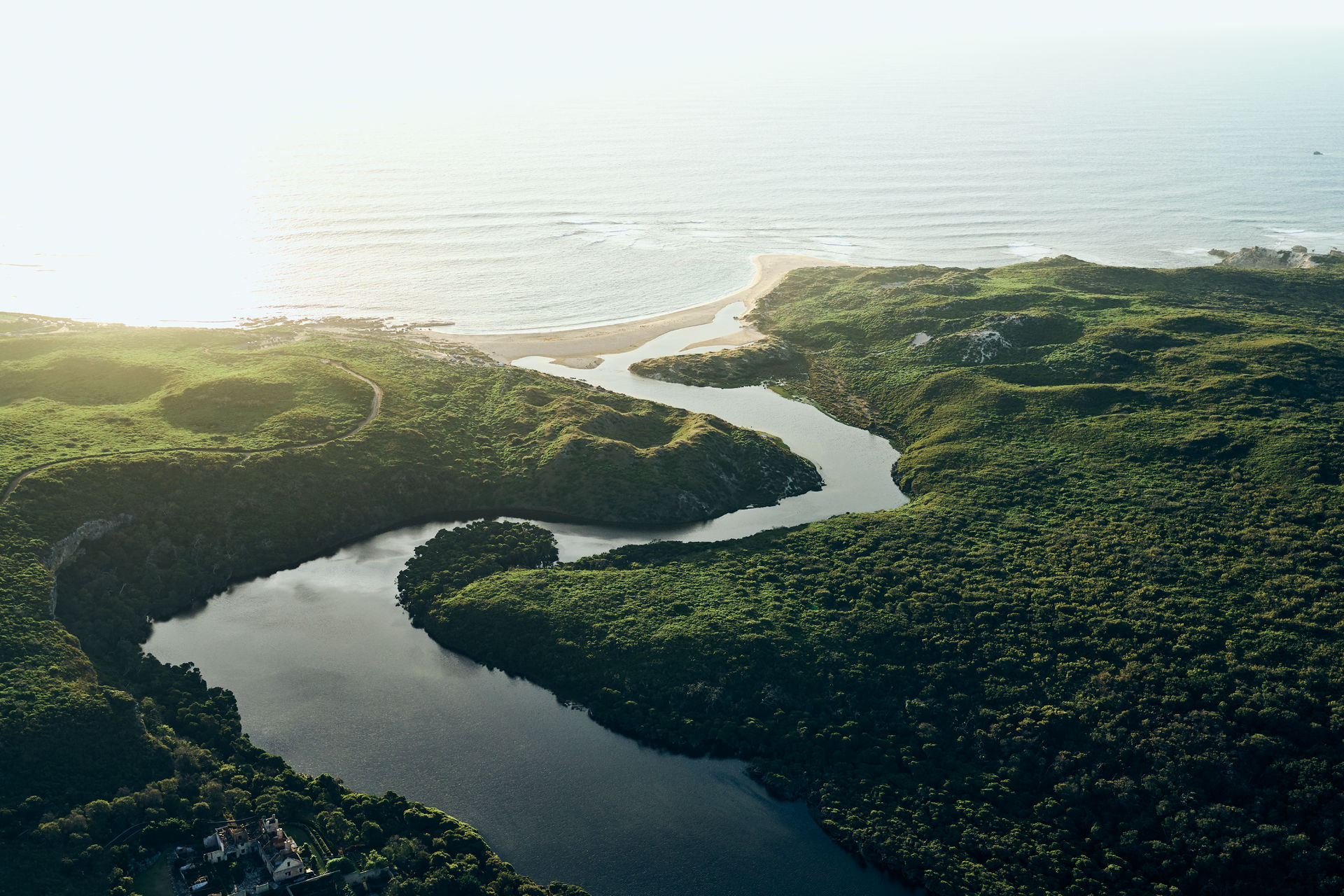
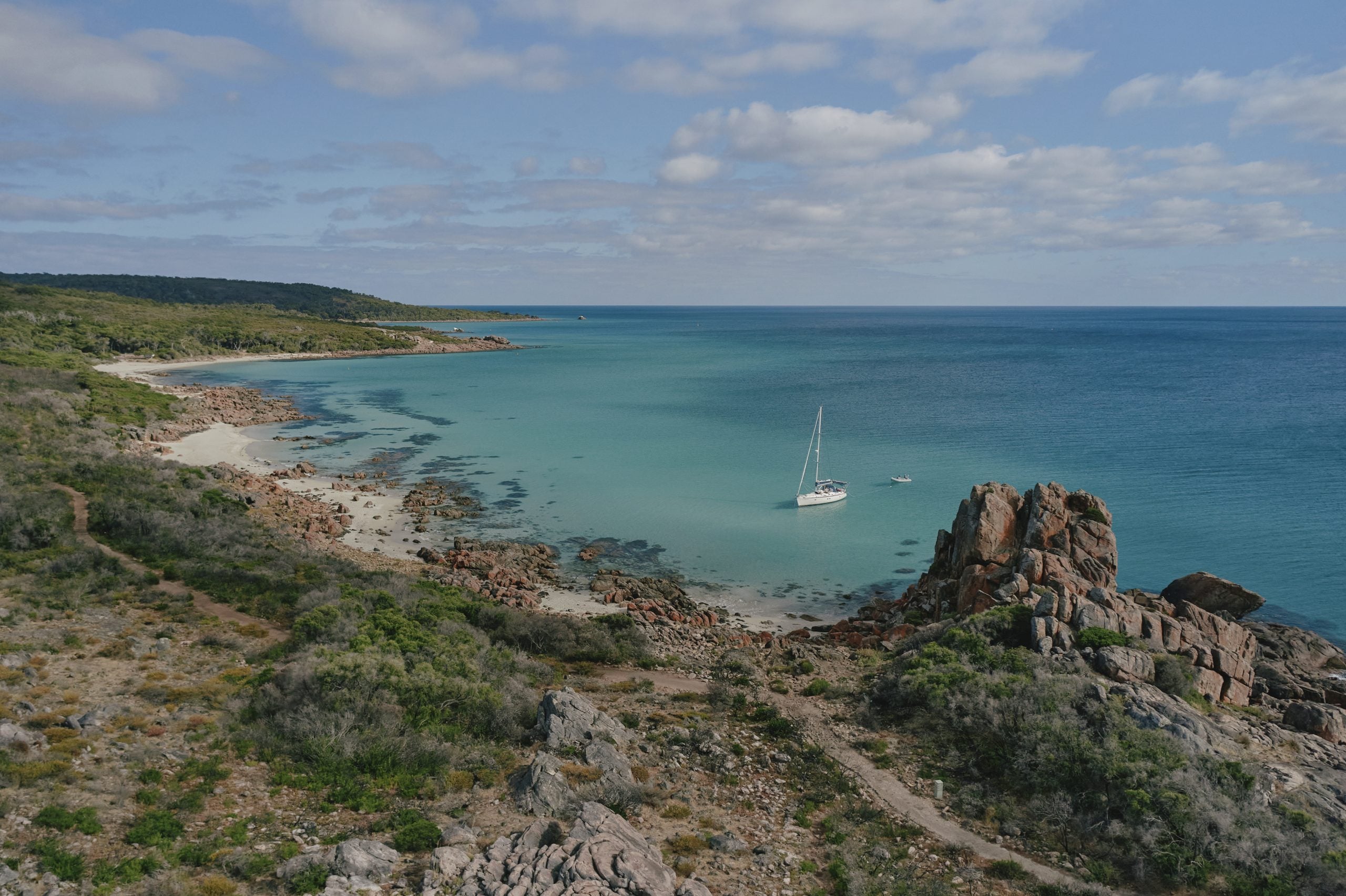
In the official records, Péron and the cartographer Louis de Freycinet altered many of the names Baudin had proposed during the expedition. In the process, they attached their own names to some of the landforms while avoiding names that might recognise Baudin or his views of his officers and crew. The enmity was evident when they bestowed the name of Point Picquet on the eastern edge of Eagle Bay, where the men first set foot on Australian soil. The name they chose honoured a junior officer who they considered Baudin bullied during the voyage.