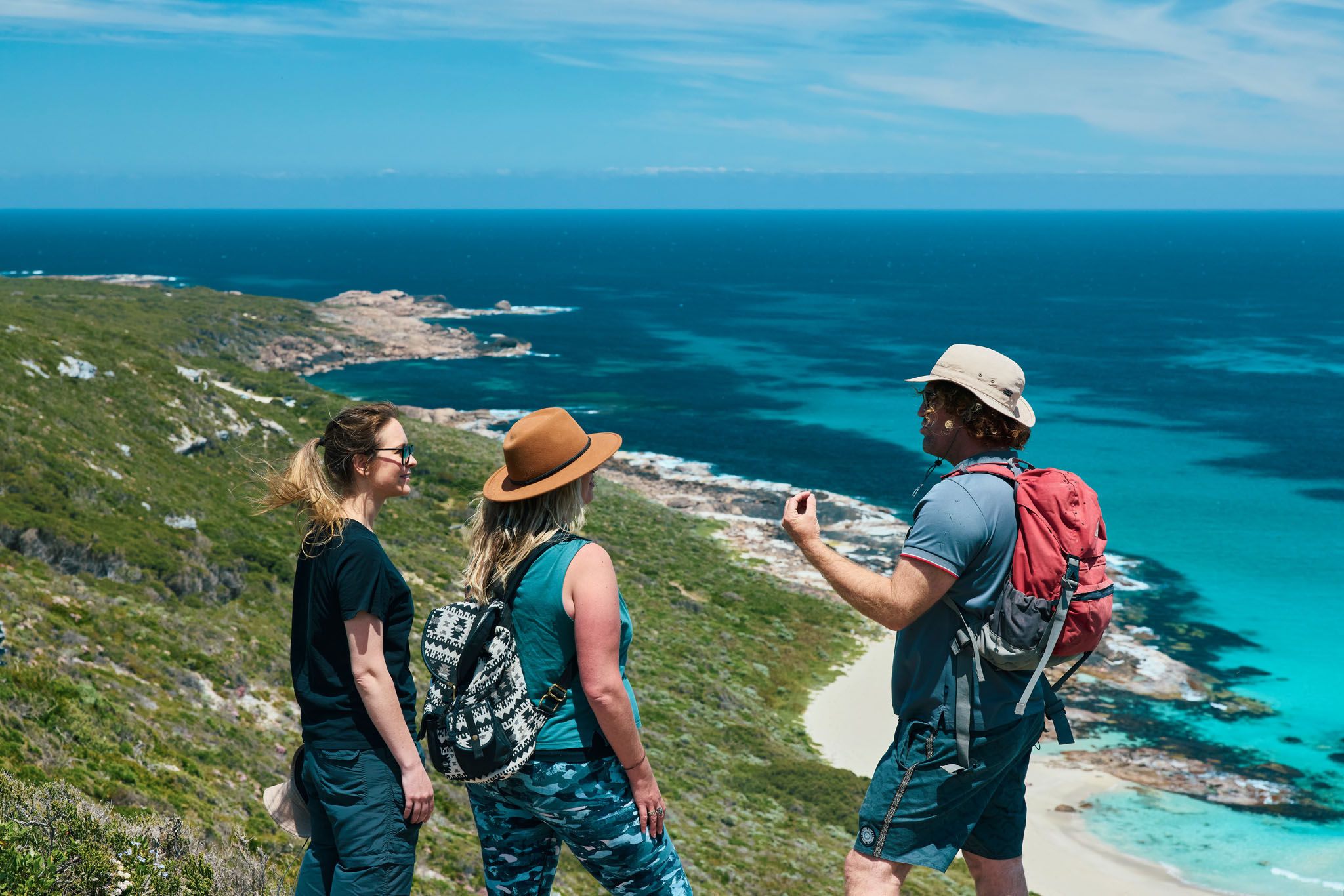
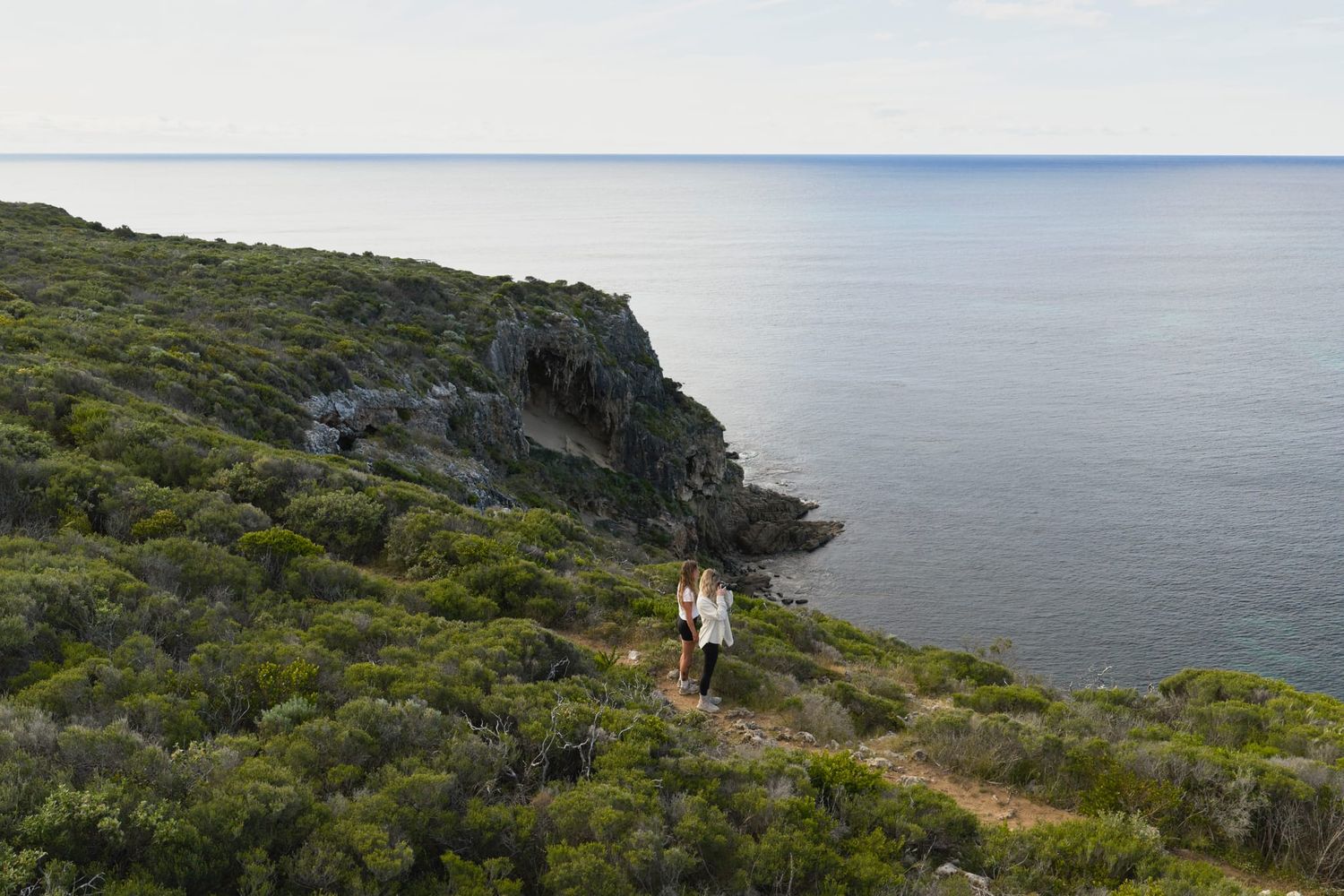
Two people enjoying the view around Cape Naturaliste with ancient karst formation and ocean in the background.
14.08.2026

A fascinating history lies beneath the limestone cliffs and granite outcrops of the Leeuwin Naturaliste Ridge.

Once an island, the region has been through ice ages, shifting sands and a break away from India. Lizzy Pepper talks to three of the region’s guides about natural phenomena and this ancient, beautiful land.

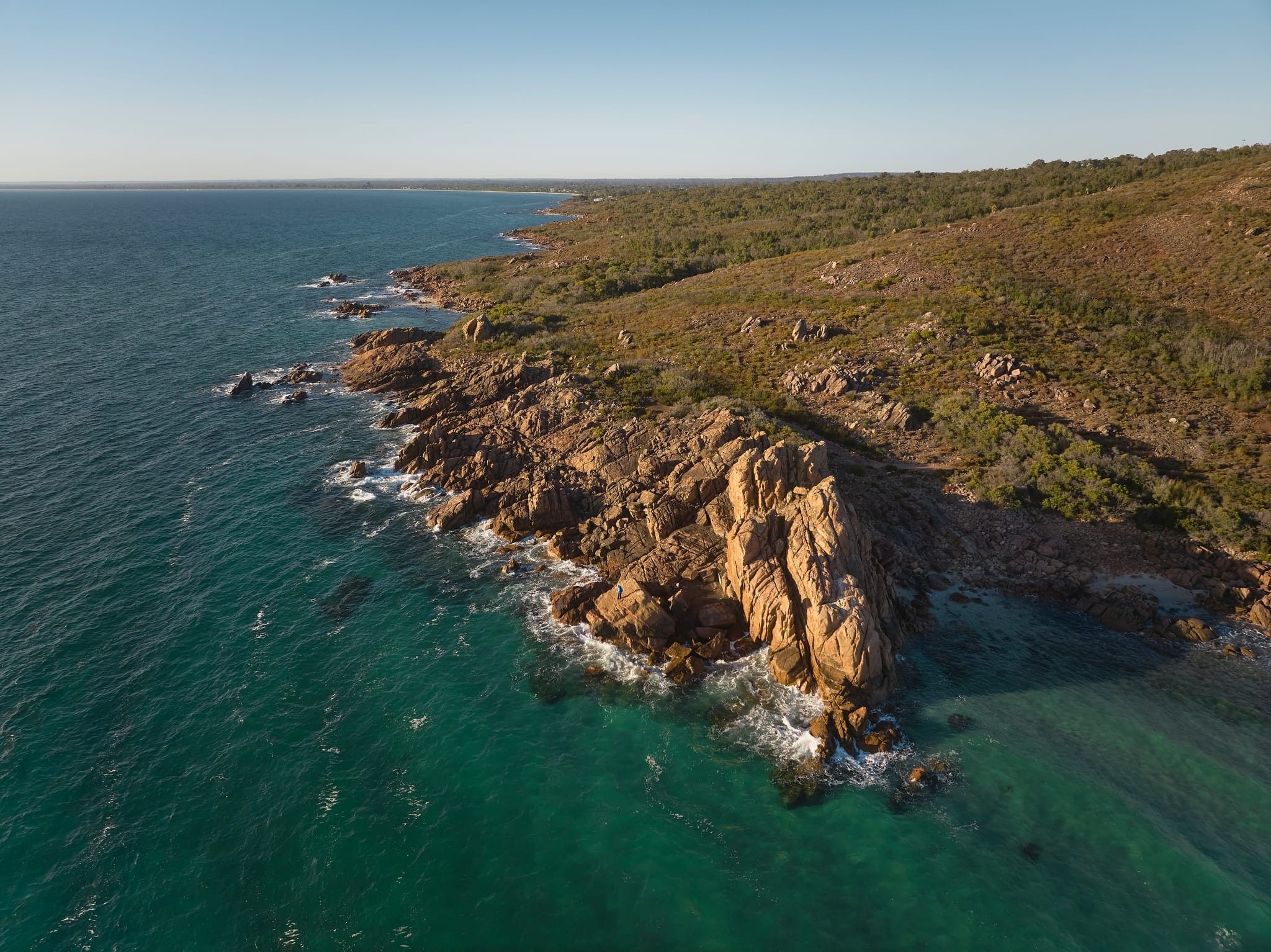
Castle Rock from far away with orange sunlight and blue ocean
The varying geology of the Margaret River Region is seen in many places. Image: Tim Campbell Photo.

Millions of Years Ago: Granite and Gondwana

The Gondwana super-continent, made up of most of the land masses in today’s southern hemisphere, along with the Arabian and Indian continents, broke up between 170 and 23 million years ago. A natural phenomena of the Margaret River Region.

Local geology guide and former cave guide Andrew Green explains that the Leeuwin Naturaliste Ridge broke away with India and slowly drifted about 70 kilometres west before breaking free; “I often joke with our visitors who ask about the granite, ‘if it wasn’t for some mini quakes, we’d all be in India eating chapatis right now’.

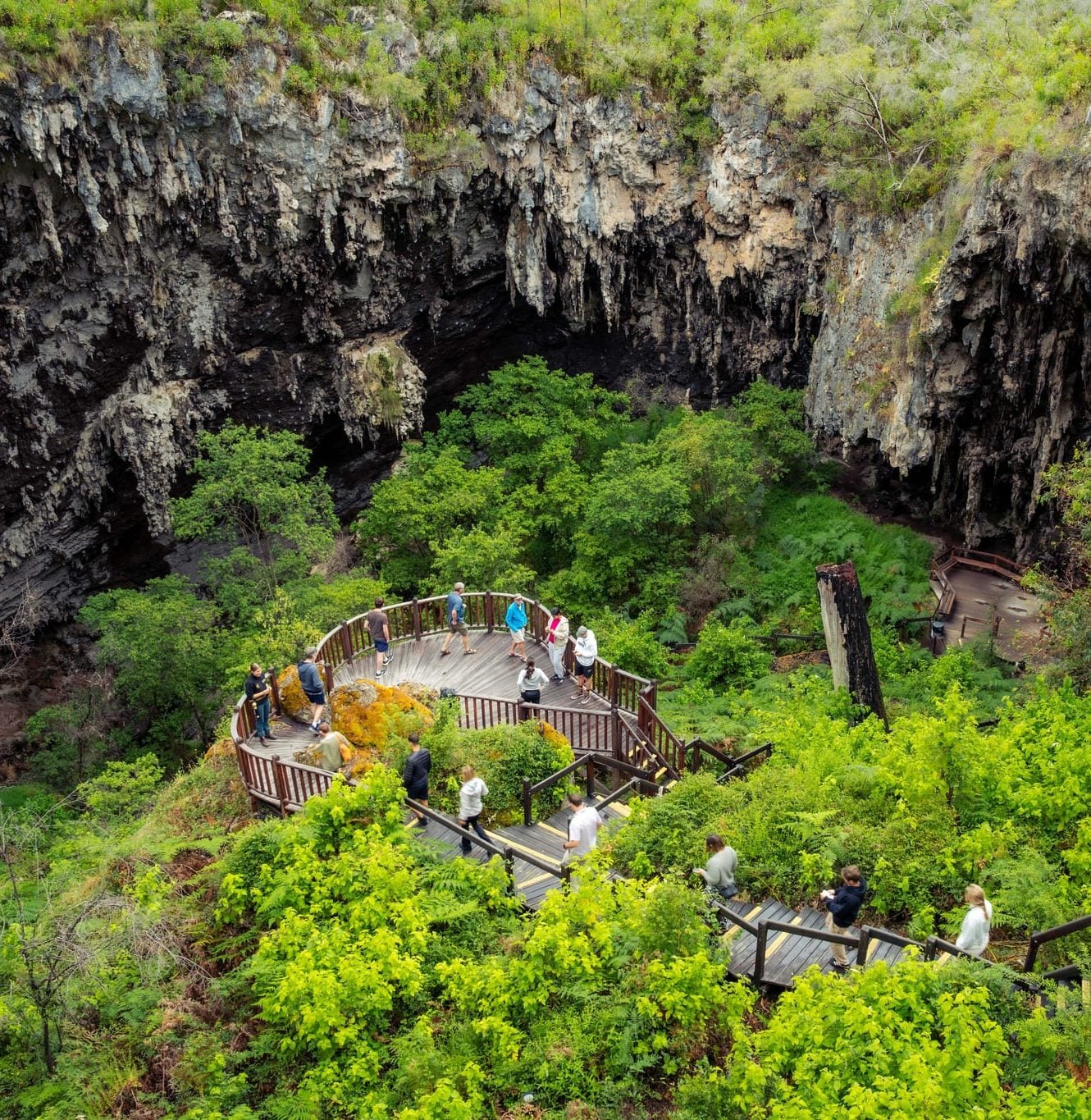
People walking down stairs into ancient sinkhole at Lake Cave with many green trees growing from the sinkhole.
Visiting Lake Cave's 62 metre sunken forest stretches your legs, rewards your eyes and provides the best excuse to indulge your tastebuds. Image: @coastingoutback

Gene Hardy from Cape to Cape Explorer Tours explains it to guests with a mud map drawn in beach sand; “For a long time, the Leeuwin Naturaliste Ridge was an island separated by a deep ocean, with 70 kilometres between the ridge and the scarp.” Over time that channel of sea slowly filled with sediment to form the Swan Coastal Plain, Scott Coastal Plain and Whicher Scarp.

Cape to Cape Explorer Tours team with Vasse Felix to offer the Cape to Vine Tour, where you can learn how this incredible geology and maritime climate make Margaret River a wine paradise.

Gene Hardy talking to his tour group on the cape to cape hike trail
You'll absorb knowledge and fresh air while walking along the Cape to Cape Track. Image: Tim Campbell Photo.

A Million Years Ago: Caves Begin to Form

“The granite rock at Redgate is between 300 and 600 million years old, but there’s great variation. That’s the early layer of history, and the much, much more recent layer of history is where all the lime-rich sands blew ashore and put the limestone cap along the coast,” says Andrew Green.

This natural phenomena of limestone cap led to the formation of over a hundred caves along the Leeuwin Naturaliste Ridge. Hence Caves Road got its name.


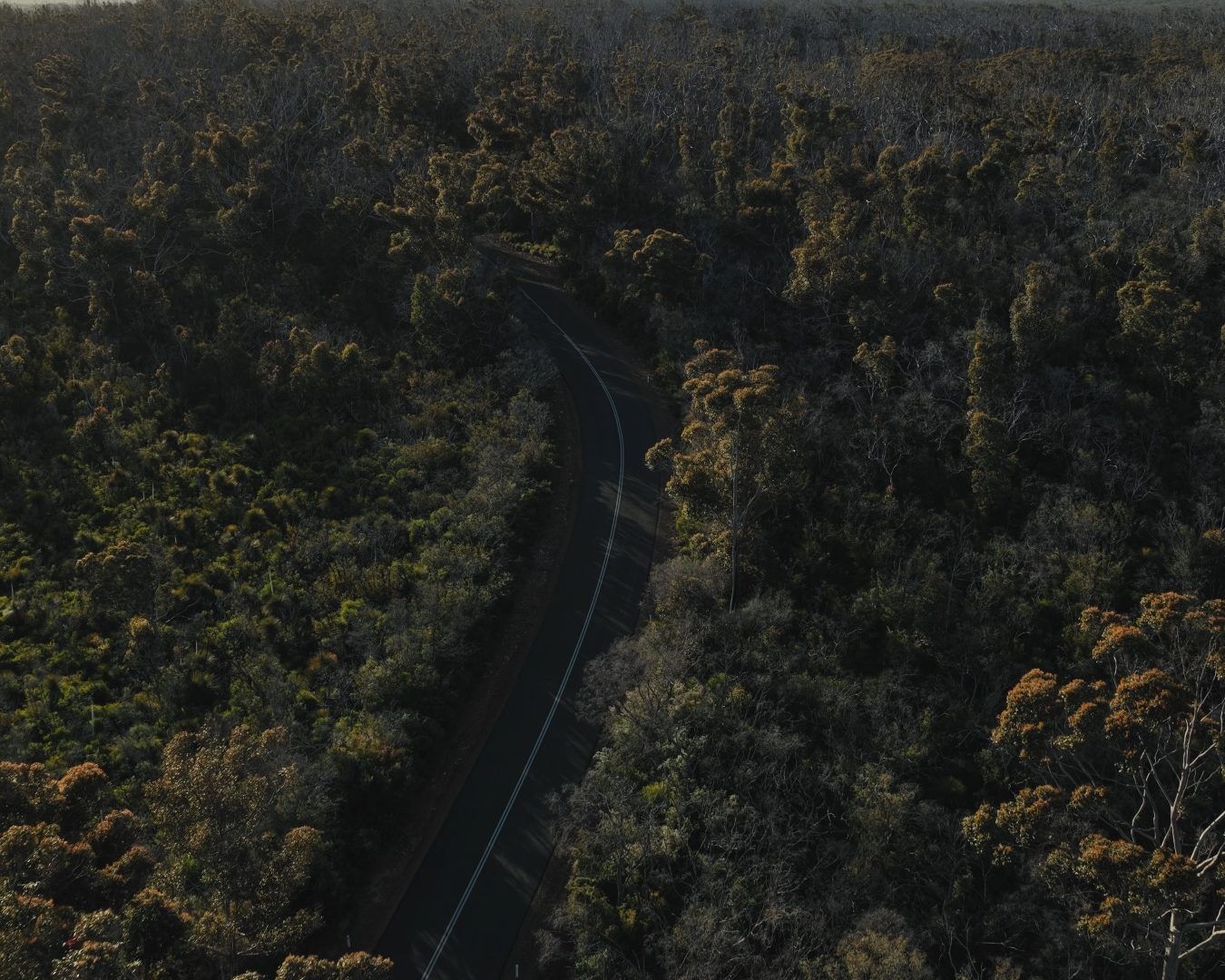
Aerial photo of caves road near Lake Cave. Sun rising and warm glow.
Caves Road weaves you through ancient forests, past stunning vineyards and connects you to the beautiful coastline of Margaret River. Image: Tim Campbell Photo.

“Our sand is made up of crushed up coral and shell fragments, which makes a porous kind of limestone. It’s also really, really rich in calcium carbonate. Water flows through it easily which makes for lots of crystal, and that’s how we’ve got so much more crystal for the relatively young age of these caves, than caves elsewhere.” Each of these stunning caves have a unique atmosphere about them and must be seen to be believed.

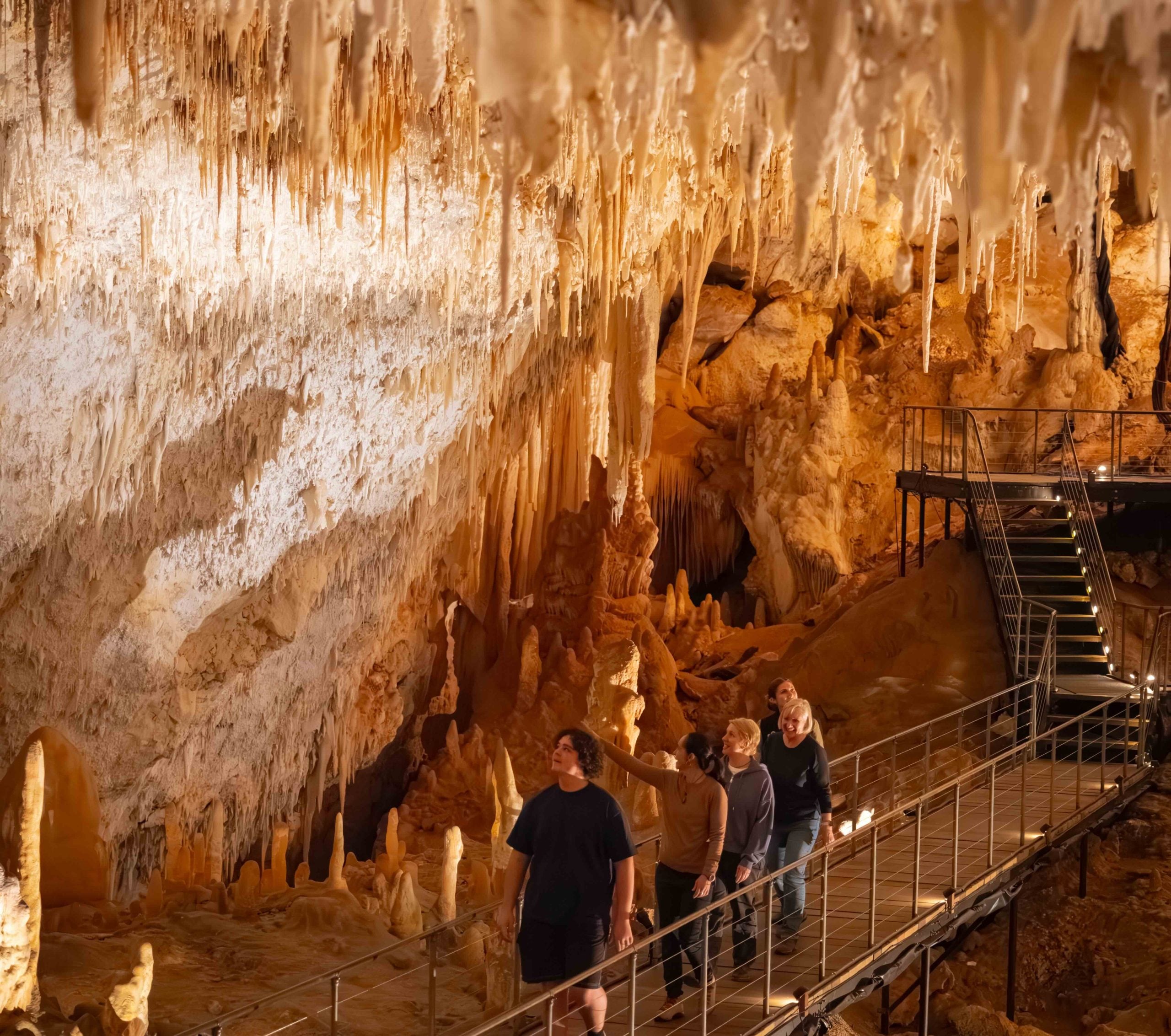
People walking through Jewel Cave, looking at different crystals which are called speleothems.
Immerse yourself in a crystal wonderland when visiting Jewel Cave in Augusta. Photo: Tim Campbell Photo.

Megafauna Roamed the Forests

Megafauna – giant animals – emerged in Australia around 25 million years ago, and fossils of a dozen species have been discovered in Mammoth Cave. Giant kangaroos two and a half metres tall, echidnas the size of sheep and massive emus to name a few, plus the terrifying Thylacoleo Carnifex, an Australian lion.

Thylacaleo Carnifex had the build of a rugby player; muscly and thickly built with an exceptionally powerful jaw. It had guillotine-like teeth for shearing meat off bones and a habit of climbing trees above known kangaroo trails. “It would wait for a kangaroo then jump down, piercing its windpipe. We often say to visitors today, Australian koalas and joeys are pretty cute now, but back in the day it was a much more bloodthirsty scene with these supremely adapted, carnivorous, predatory marsupial lions,” says Andrew Green.

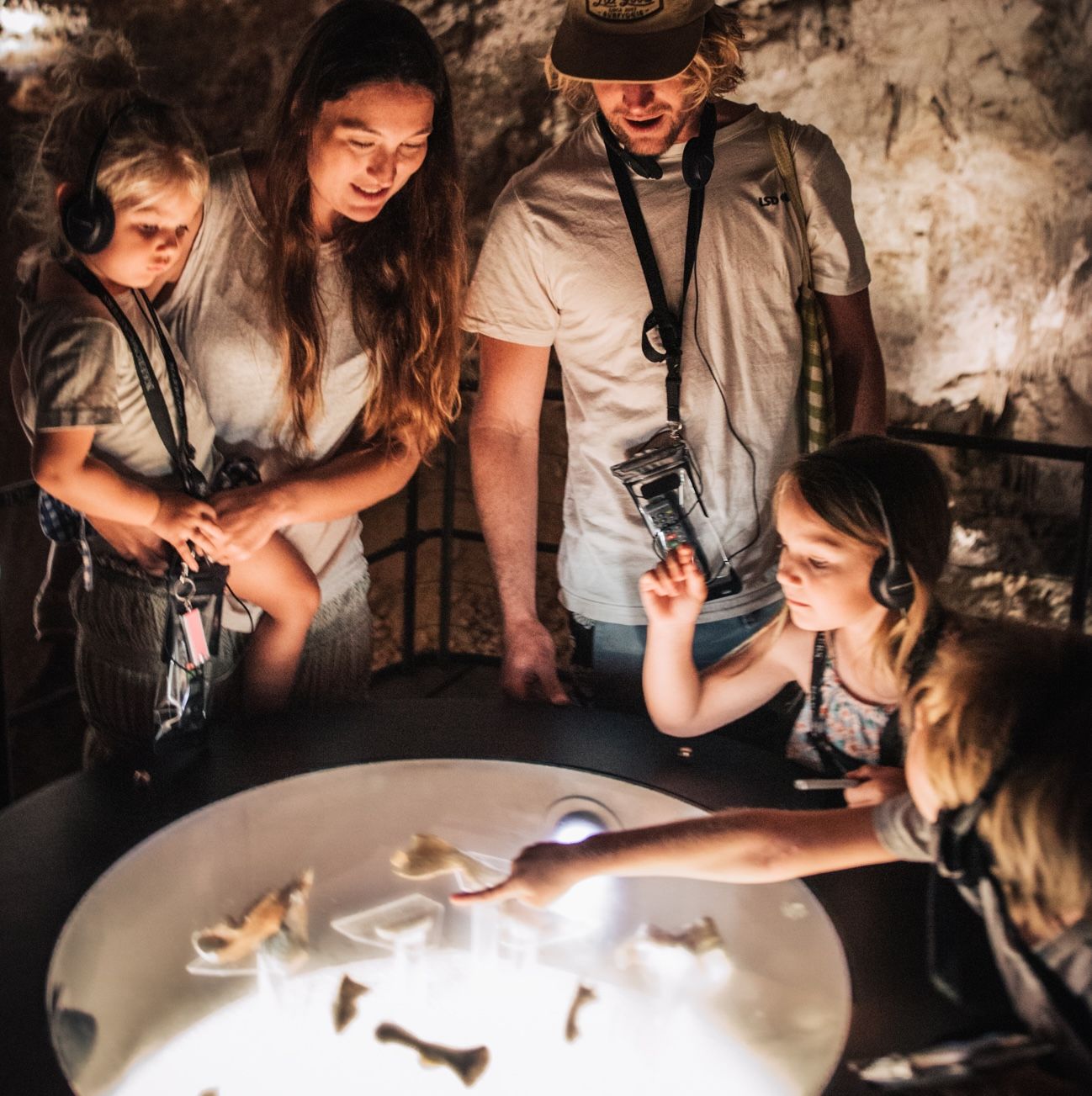
Family with audio players inside Mammoth Cave looking at megafauna fossils on display.
Mammoth Cave's self-guided audio tour walks you on a journey through time; from ice ages, ancient megafauna to present day. Image: Supplied.

Present Day Beauty

“Our coast is so different to most places on earth. The texture is extremely special, it’s got corners, bays, points – that makes it special,” says Gene Hardy, whose Cape to Cape Explorer Tours specialises in guided hiking in comfort, with amazing guides who really understand the place.

Shifting continents and multiple ice ages created a unique geology. “It provided this little bubble between the Capes. An incredible canvas for recreational opportunities and activities, it gives us the caves, the waves – all the world class waves break on limestone reefs covering granite. The limestone caves give the crayfish and abalone plenty of habitat, too.”

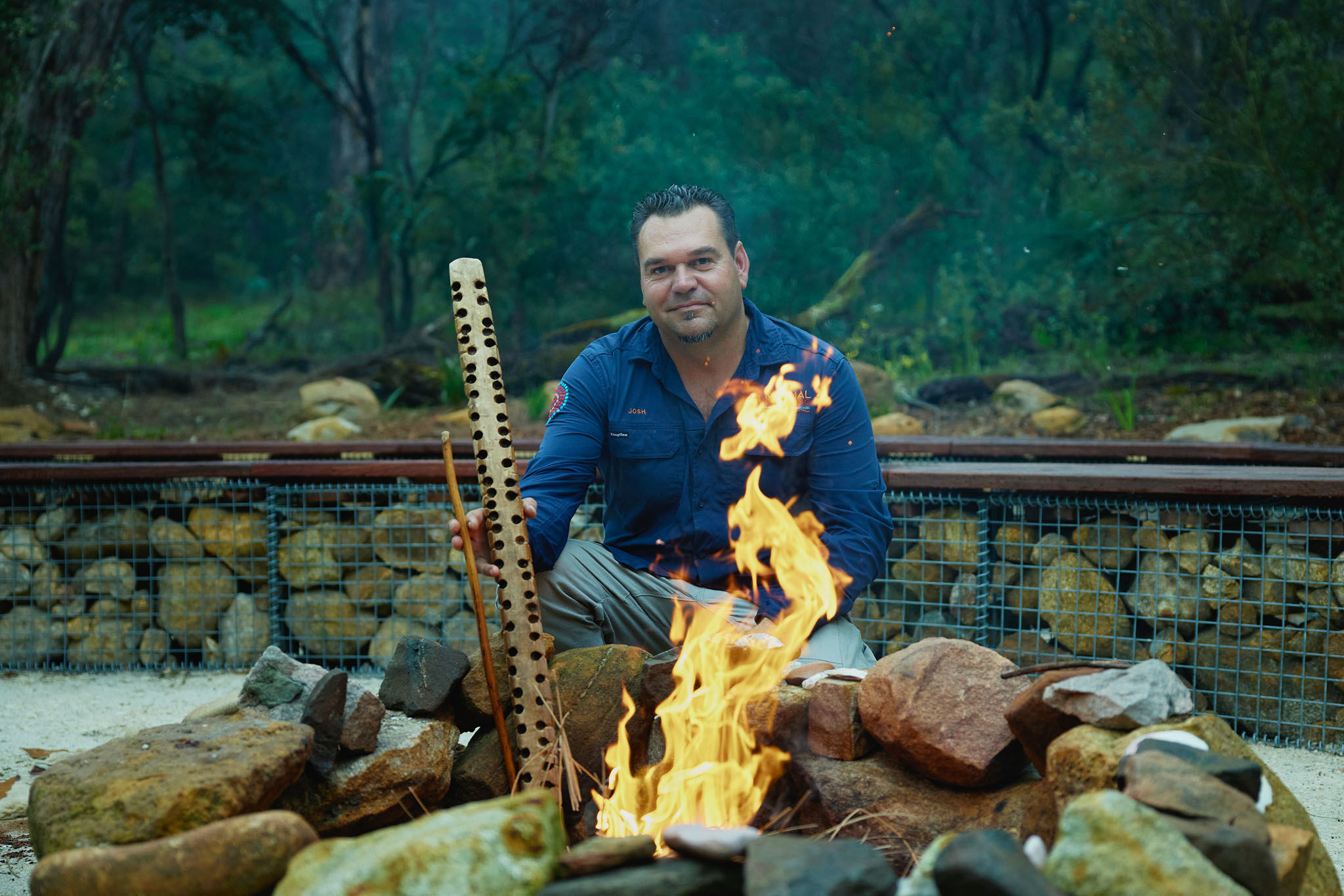
Josh Whiteland, Wadandi cultural custodian and operator of Koomal Dreaming speaks of stories handed down by his ancestors; “Aboriginal people have witnessed a lot of things over time, from changes in climate to ice ages. I work with many interesting and inspiring, positive Aboriginal people from the south to the north. I like sharing stories through tourism; it’s a great opportunity to create awareness.”
Josh Whiteland
Listen to Josh share his knowledge and deep connection to this land on one of his cultural tours. Image: Tim Campbell Photo.

His tours take guests to remarkable places; Cape Naturaliste, Meelup Regional Park and Ngilgi Cave. “We’re pretty blessed to live where we live. I personally love the bay; I love Meelup Regional Park. The west coast in the morning and the bay in the afternoon. We’re saltwater people so I’m in the ocean every chance I get.”

“We celebrate the culture of the place by being on country and in tune with the seasons. We celebrate every couple of months the change of season, which is every two months on the Aboriginal calendar. Bunuru is one of my favourite seasons; February and March is a humid time of year, we’ve got all the marri flower, white tailed black cockatoos and migrating salmon. Lots of herring and native bees come out this time of year, and families would celebrate with gatherings along the coast, catching salmon and smoking it on the fire.”

Advice from a Local

Speak to a local expert Advice from a Local Our team of local experts

Our team of local experts are here to help plan and book your stay in the Margaret River Region.