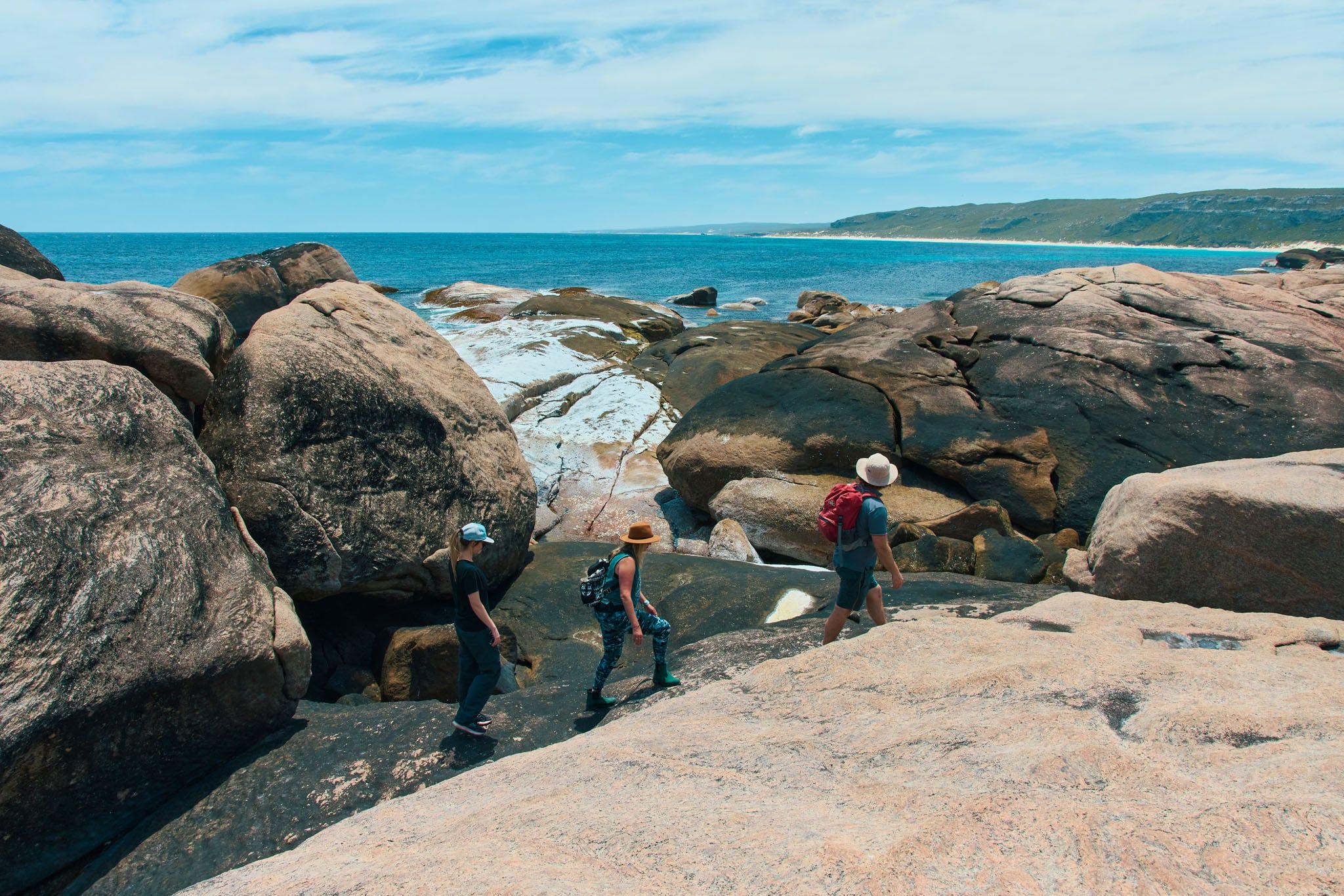
Traditionally, this is when Wadandi families journeyed back to the coast. They camped beneath melaleuca trees and caught octopus, crayfish and abalone.
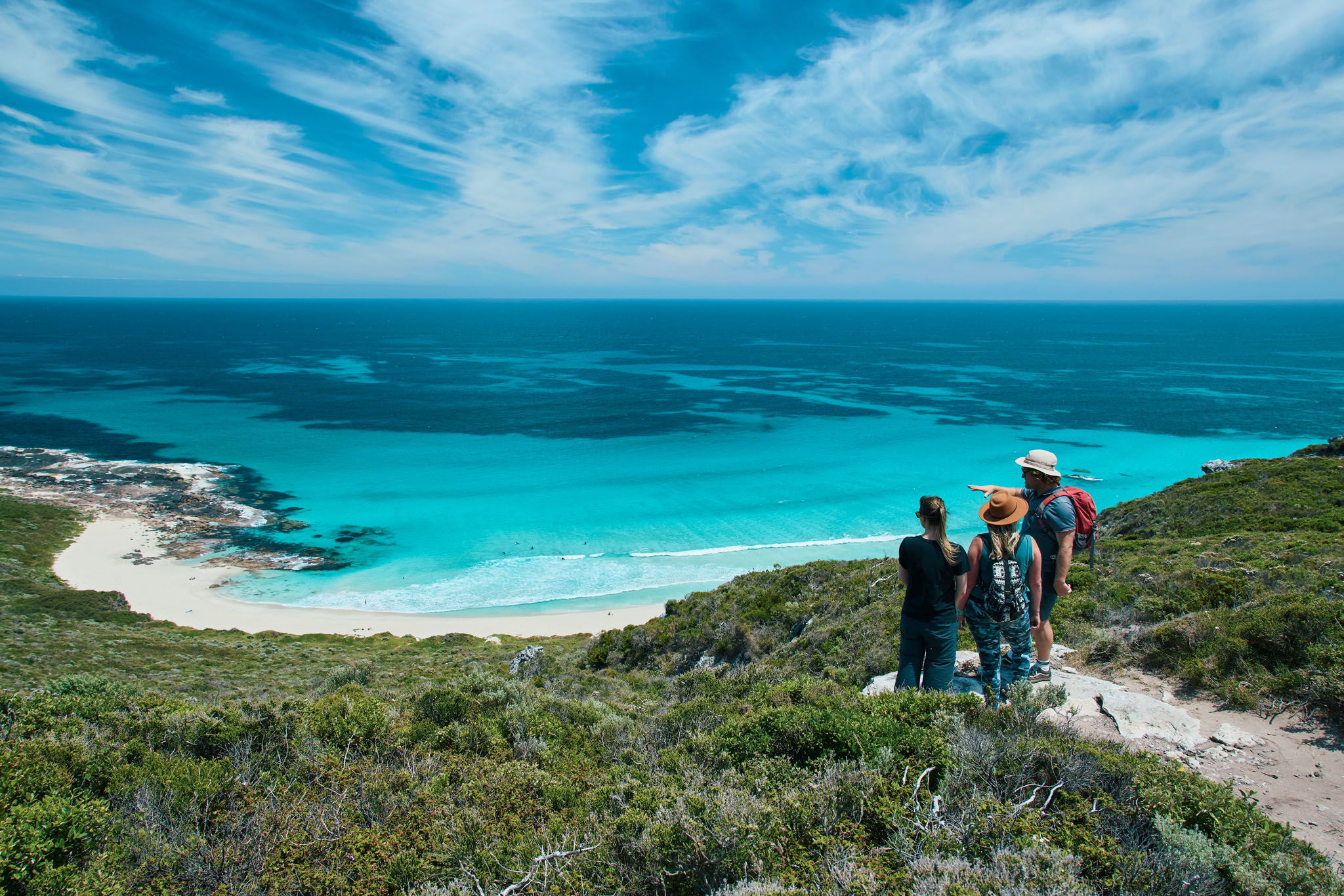
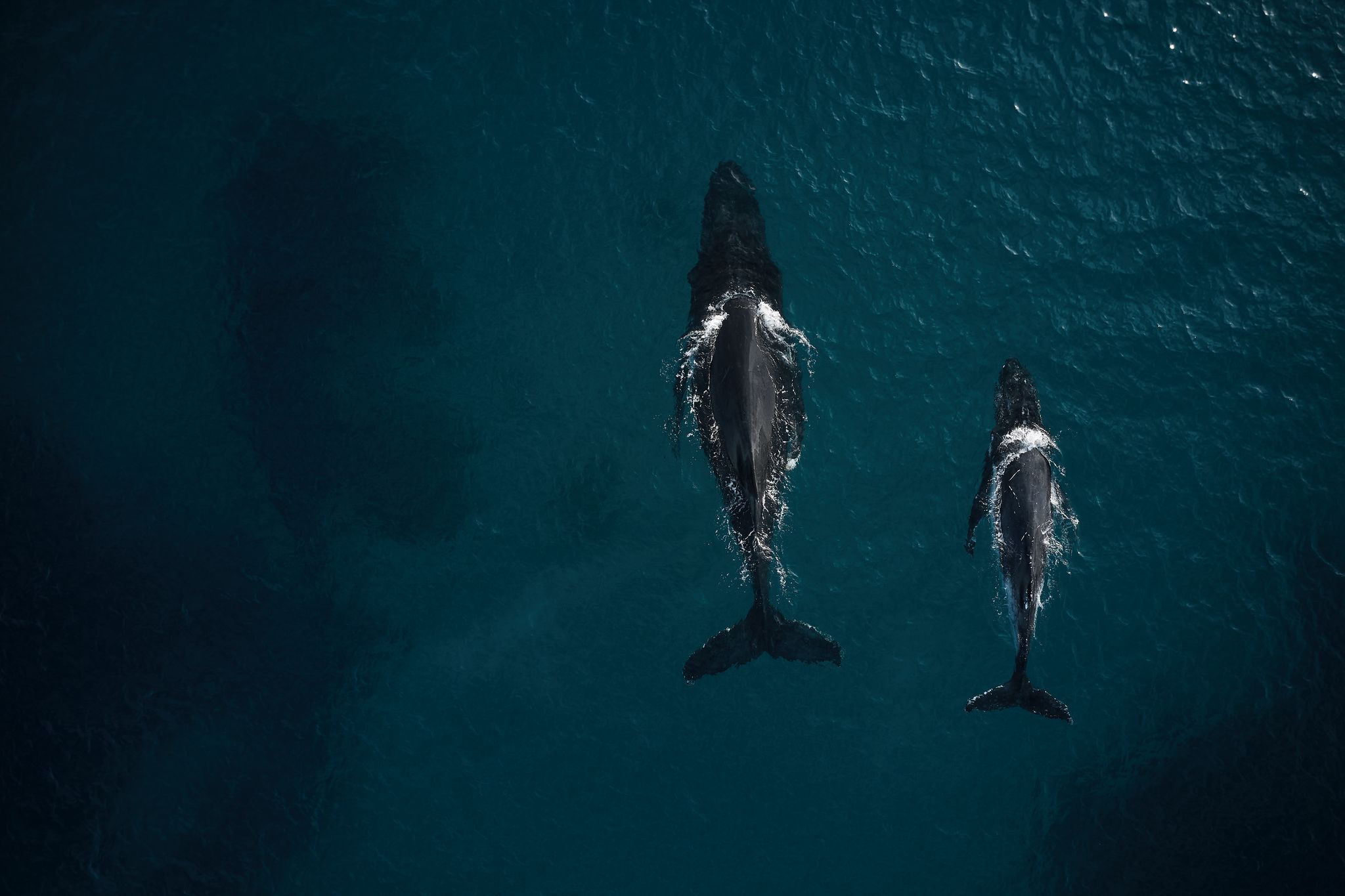
“Kambarang is the best time to be out on the Cape to Cape Track if you’re into whales, wildflowers, and feeling like you’ve wandered into nature’s version of a rave,” says Sean Blocksidge of Margaret River Discovery Co.
“Some days we’ll spot over 20 whales in under half an hour off the Wilyabrup Cliffs. It’s like a conga line of humpback whales lighting up the coastline. On land, the wildflowers are blooming like someone spilled a packet of Skittles in the coastal heath.”
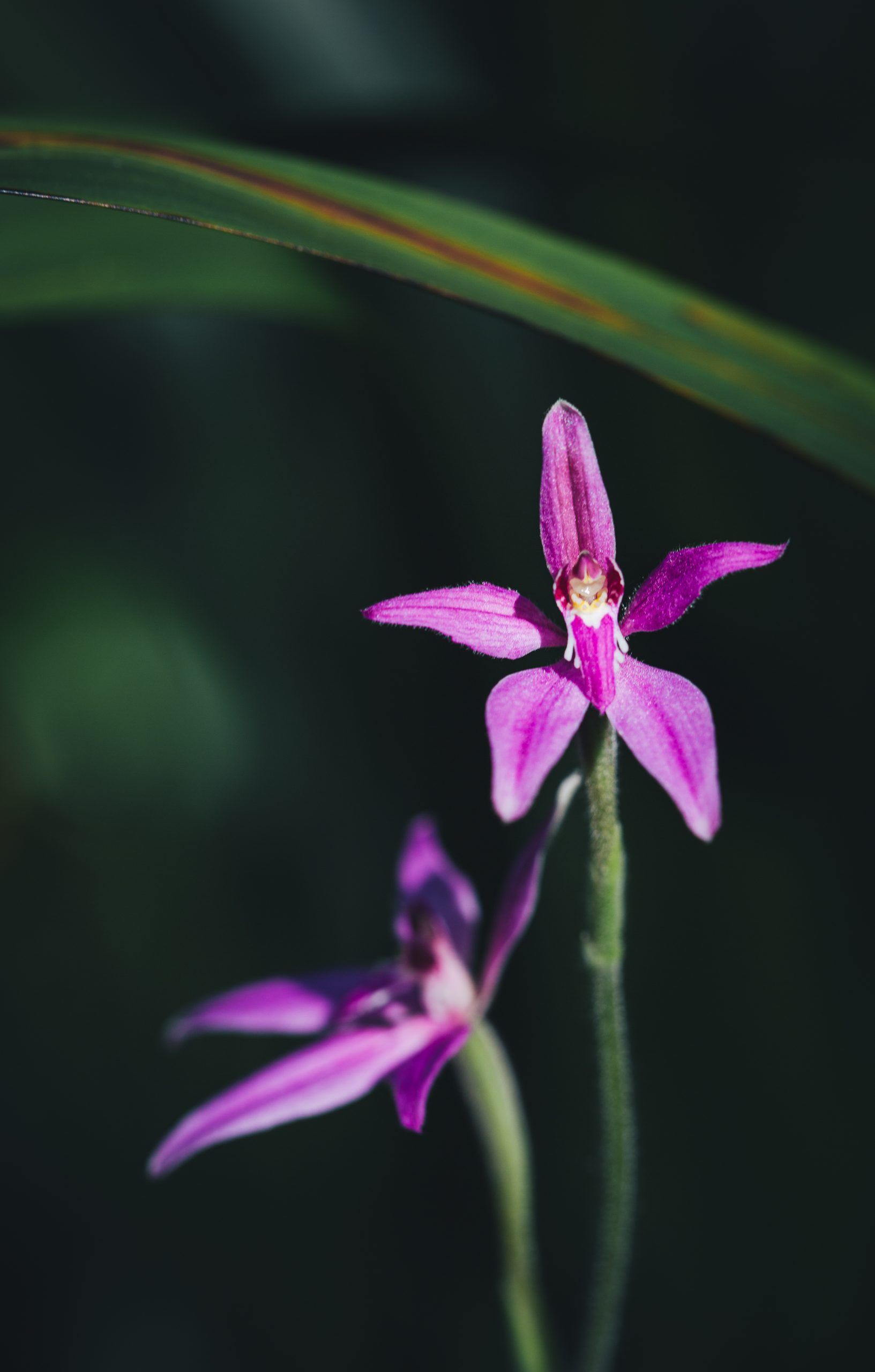
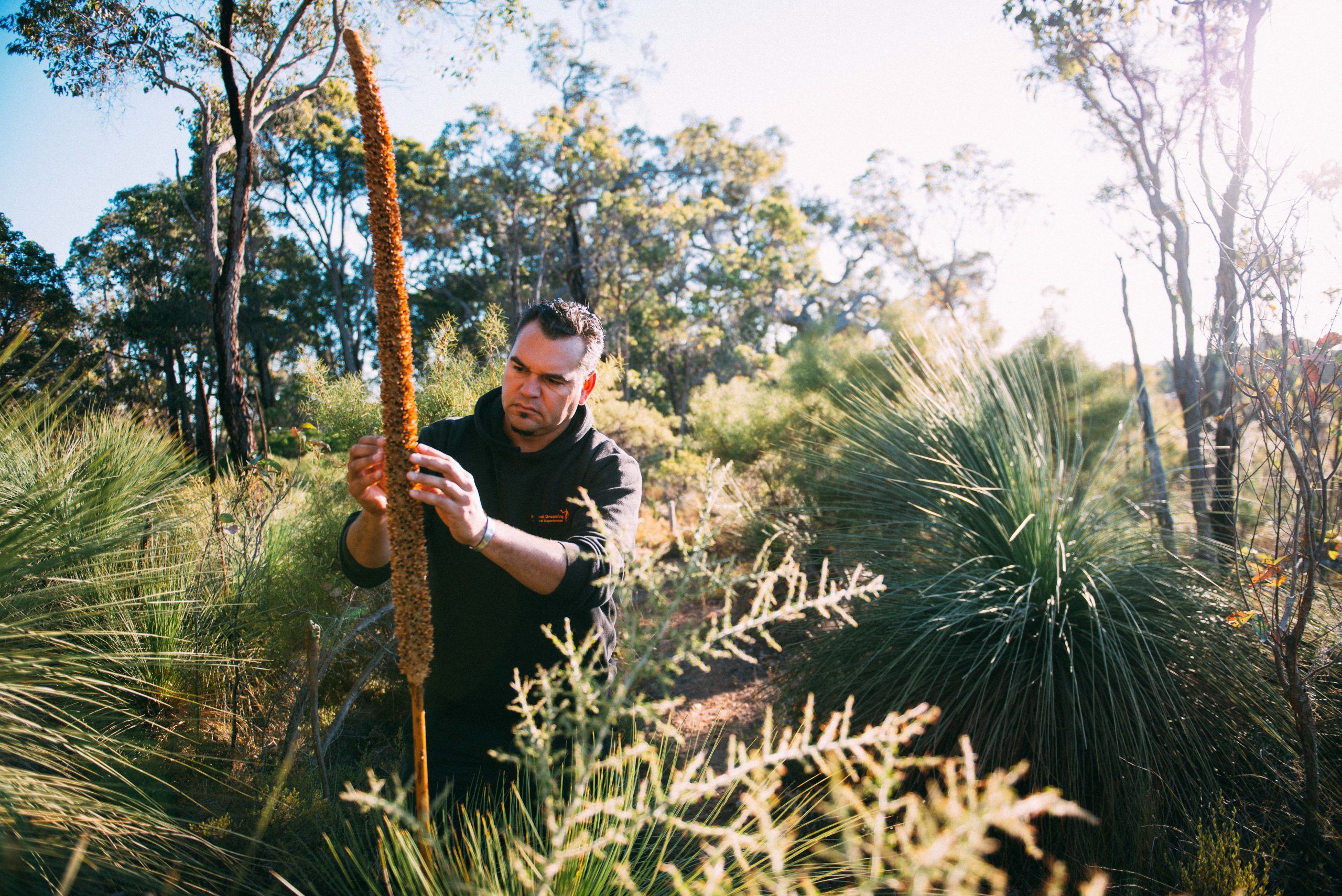
Gene Hardy agrees, “the track becomes a sea of yellow flowering acacia, followed by the stunning pinks of pimelia and purples of the scavola”. Gene and his Cape to Cape Explorer Tours team offer guided and semi-guided experiences. “We go nuts for all the stunning orchids on the Cape to Cape Track, from rare and wonderful spider orchids to fields of fairy orchids and cheerful yellow cowslip orchids.”
For orchid specialist Hank Durlik of Margaret River Exposed, it’s a chance to experience an ecosystem millions of years in the making. “It’s a kaleidoscope of colour in the forest. Native orchid species that have not been seen for years suddenly appear, and it’s a mystery why they’ve been dormant for so long.”
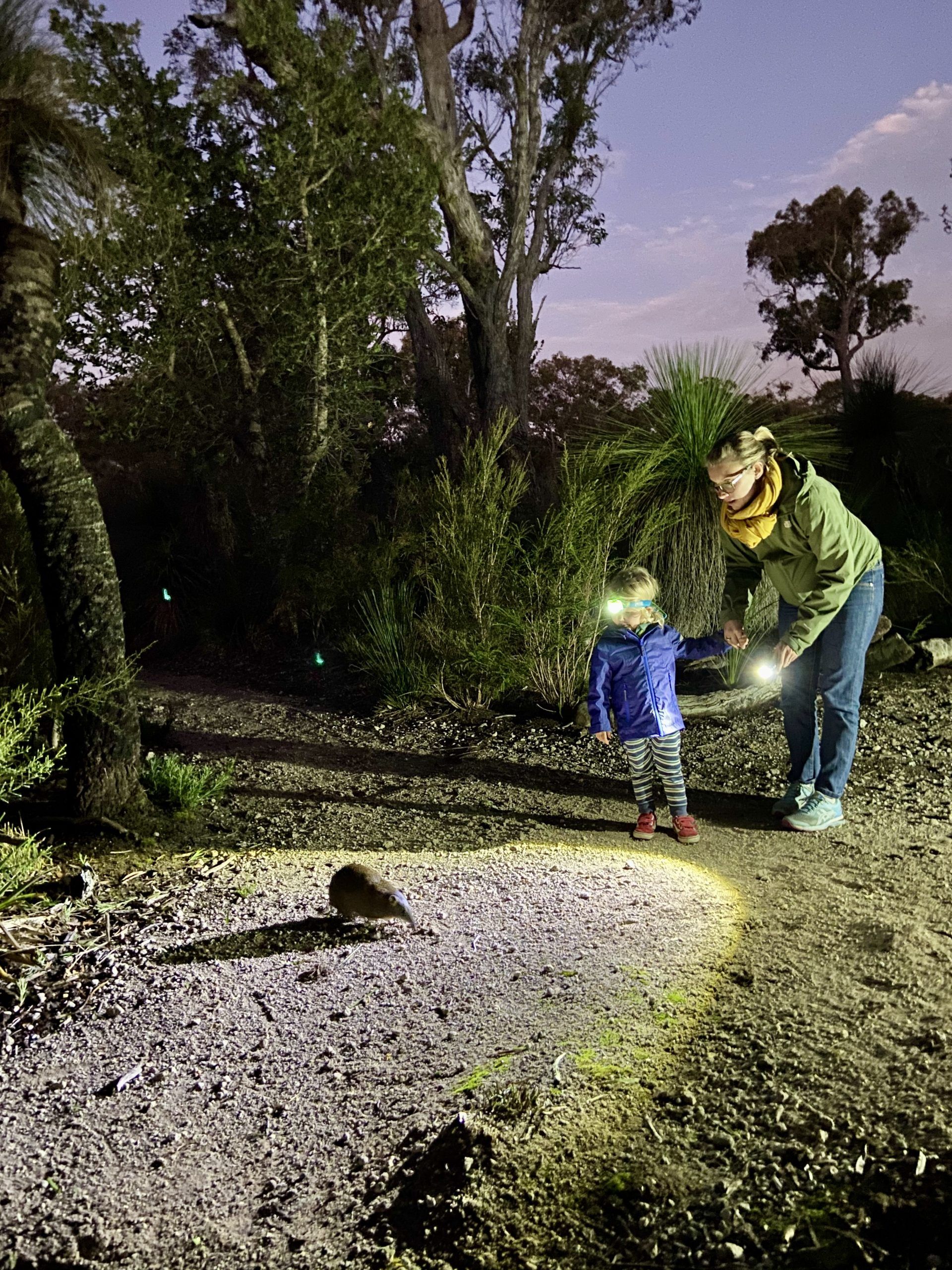
It’s also the time for spotting crepuscular wildlife and the epic Aurora Australis on Southwest Eco Discoveries’ Nocturnal Wildlife Tour, says guide Ryan White. “Watch joeys leave their mum’s pouches, skipping around, getting used to their legs and newfound freedom. Look up in the trees and see baby possums hitch a ride on their mothers’ backs.”